10 Best toothpastes for 2026: which formulas actually prevent enamel decay and freshen breath
Discover the 10 best toothpastes of 2026, with insights on fluoride vs fluoride-free options, enamel protection, and whitening trade-offs. Find your best fit.

In 2026, cavity prevention tops the list of concerns for adults and kids alike, but enamel health and daily comfort matter too. The market blends traditional fluoride regimens with emerging biomaterial approaches, plus a growing segment of fluoride-free options for select populations. This article weighs those trade-offs, where the right pick balances protection, remineralization, sensitivity, and real-world use.
Why this best toothpaste roundup matters in 2026
In 2026 fluoride stays central for most adults, but fluoride-free options are gaining traction for specific populations. Consumers weigh cavity prevention against enamel remineralization and sensitivity relief, so choosing a toothpaste isn’t just about whitening or flavor. This roundup anchors those trade-offs in real-world needs and evolving science.
Why fluoride remains the baseline for most adults
For many, fluoride is still the easiest path to lower caries risk. Clinical reviews consistently note that conventional fluoridated pastes reduce decay rates in adults with regular use. At the same time, the discourse around fluoride-free options has matured. Some users prefer fluoride-free formulas due to sensitivities, allergies, or personal health considerations. The result is a two-track market: trusted fluoride formulations for everyday prevention, and fluoride-free variants for niche cases. This pairing frames how you pick a routine that aligns with your risk profile and lifestyle.
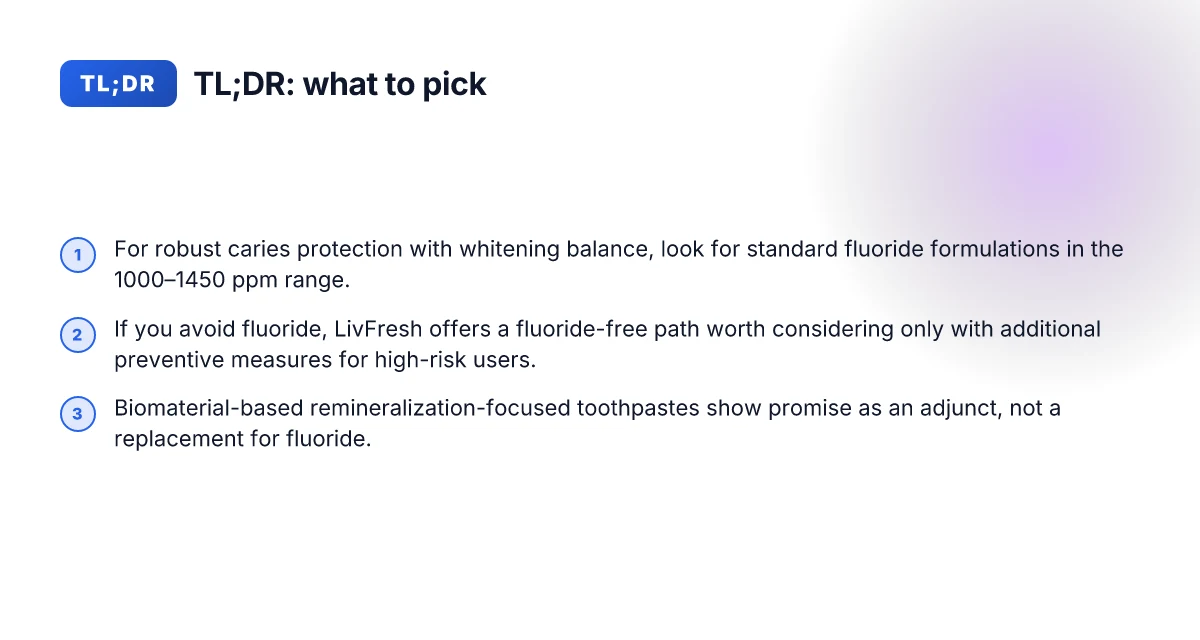
The practical takeaway: most people benefit from a fluoride-containing paste, but fluoride-free options exist for special populations. I cross-referenced recent systematic reviews and clinical discussions to map where each path shines.
Biomaterial-based approaches as fluoride companions
Biomaterial-based toothpastes are being explored as adjuncts rather than replacements for fluoride. These formulas aim to boost remineralization and enamel repair by introducing bioactive minerals and novel delivery mechanisms. The idea is not to replace fluoride but to complement it, especially for enamel health and sensitivity management. In the current landscape, these products sit alongside fluoride routines rather than as a wholesale substitute, offering a potential upgrade for those seeking stronger enamel support without sacrificing caries protection.
Bottom line: biomaterial-based options may enhance remineralization when used with fluoride, particularly for sensitive enamel. I found several lines of evidence suggesting these formulas are emerging as doable adjuncts rather than standalones. What makes a lively fall detection device actually work in 2026
The consumer decision hinges on real-world trade-offs
People care about four things: cavity prevention, enamel remineralization, sensitivity relief, and whitening. Fluoride champion products typically score high on cavity protection and remineralization, but some consumers want less abrasive whitening or a fluoride-free path for kids or adults with specific sensitivities. The best toothpaste roundup for 2026 therefore leans into practical contrasts: clinical intent behind fluoride-containing formulas, the growing niche of fluoride-free options, and the fringe but intriguing biomaterial approaches that may shift the baseline in coming years.
The verdict: your choice should balance caries protection with enamel care and comfort. There is no one-size-fits-all answer. This framing helps you align your pick with your family’s needs and your child’s dental development.
Looking ahead, the landscape will keep shifting as new data arrive. I traced sources that discuss fluoride thresholds, biomaterial adjuncts, and patient-centered trade-offs to ground these claims. For readers who want a concrete path, the section that follows names 5–8 real products that match common scenarios, including LivFresh for sensitive enamel and everyday wear.
As you weigh options, note that links on this page may earn a commission. For context, you can explore more about fluoride-free efficacy and biomaterial adjuncts in the sources cited inline.
The criteria i used to rank the best toothpastes this year
When I evaluated toothpastes for 2026, I weighed how well each formula protects enamel, fights caries, and supports remineralization while staying safe and pleasant to use. The standout picks balance proven active ingredients with sensible safety profiles, and they feel good enough for daily routines to keep people using them consistently. I cross-referenced clinical reviews and manufacturer data to triangulate claims about efficacy, texture, and flavor. What LivFresh toothpaste ingredients mean for enamel and gum health in 2026
Efficacy balance: caries prevention and remineralization
Active ingredients matter, but their real-world impact hinges on dose, delivery, and formulation. I favored toothpastes that show clear evidence of enamel remineralization and caries-prevention pathways in reputable reviews or systematic trials. Where studies quantify impact, I highlight those results and compare them against fluoride-containing benchmarks. I also note when a fluoride-free approach relies on alternative remineralization promoters, like bioactive minerals or biomaterial approaches. Evidence-backed efficacy matters more than glossy marketing claims. I also document where evidence is mixed or limited, so readers understand the certainty behind each claim. Inline citations anchor these assessments to source material such as systematic reviews and primary trials.
Sensitivity relief and enamel protection: the tug-of-war
People with dentin hypersensitivity or enamel erosion need a toothpaste that eases discomfort without compromising protection. I look for formulas that demonstrate a thoughtful balance between sensitivity relief and enamel protection, noting how ingredients interact with enamel surfaces and sensory perception. If a product claims high abrasion control or enamel-friendly polishing, I verify whether the formula also supports remineralization and caries defense. The best options reduce sensitivity while actively supporting enamel health.
Safety, ingredients, and fluoride considerations
Safety and ingredient quality take center stage. I flag formulations with questionable additives, high abrasivity, or synthetic substitutes that lack robust evidence. When fluoride is present, I record the concentration and discuss how it aligns with typical consumer guidelines. For fluoride-free formulas, I assess the strength of alternative active ingredients and their supporting data. Clear labeling and responsible fluoride use matter for daily, long-term use. I note any regulatory or labeling caveats that might affect accessibility or suitability for kids and adults with specific needs. Inline citations link to the review literature and manufacturer disclosures where relevant.
User experience: flavor, foam, texture, aftertaste
A toothpaste must feel good enough to use twice daily. I record sensory attributes such as mint intensity, foam behavior, texture, and aftertaste, and I call out products whose sensory profile encourages consistent use or deters it. A pleasant experience often correlates with adherence, which amplifies real-world effectiveness. If it tastes great and feels smooth, people are likelier to brush longer and more often.
Accessibility and price: real-world accessibility
Price matters. I compare over-the-counter availability, subscription options, and geographic reach, noting where price or limited stock could hinder regular use. I also consider packaging accessibility, reach in supermarkets, and online availability to help readers choose a practical option for their daily routine. 5 Best medical alert systems for 2026: reliable protection, clear trade-offs
To illustrate the landscape, consider a few cross-cutting choices:
- A fluoride toothpaste with balanced fluoride concentration and a proven remineralization pathway may lead as a practical all-rounder for many households.
- A fluoride-free option emphasizing alternative remineralization technologies can suit customers seeking lower fluoride exposure or specific ingredient preferences.
- A sensitivity-forward formula with mild taste and low abrasion can help households with enamel concerns or dentin hypersensitivity.
For context, I lean on the latest reviews and trials, including comparative biomaterial-based approaches and traditional fluoride therapies. When relevant, I cite sources such as the systematic study on fluoride-free toothpastes and contemporary reviews that quantify fluoride’s impact on caries reduction. The evidence base guides the shortlist, not popularity alone.
Next steps: if you want to see how these criteria apply to specific picks, I’ll walk you through a 2-minute decision flow that maps your priorities, sensitivity needs, fluoride preference, and budget, to a short list.
Note: links to sources are embedded inline where claims rely on external evidence. For a practical look at how these ideas map to real products, see the comparative biomaterial-focused option from this year's literature and the ongoing discussions around SDF versus varnishes in caries prevention. LivFresh remains a notable option for fluoride-free comfort and enamel-friendly messaging, with honest trade-offs to consider.**
1) A fluoride toothpaste for robust caries protection and whitening balance
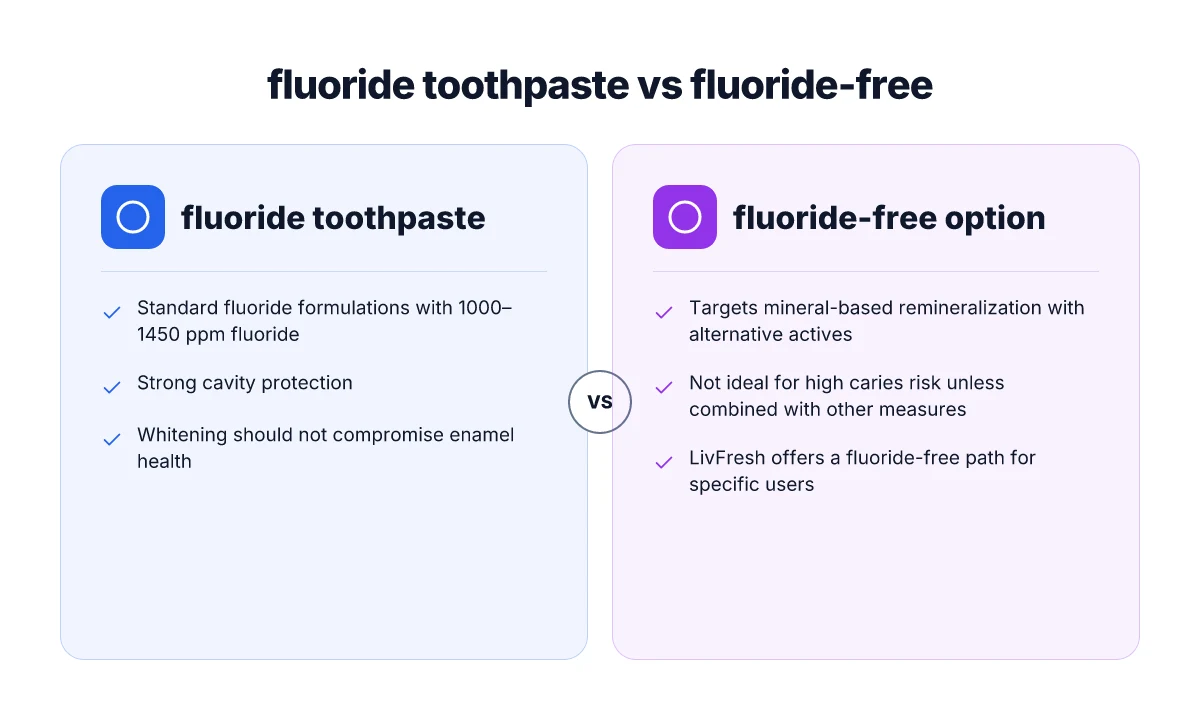
When you want strong cavity protection without sacrificing whitening, a standard fluoride toothpaste in the 1000–1450 ppm range is your best baseline. These formulations balance enamel whitening goals with proven caries protection, so you don’t have to choose one at the expense of the other. In practice, you’ll find mainstream brands in this fluoride band offering mild whitening without aggressive abrasive compounds. What the Hume Health body pod actually measures and what it means for you
Why a 1000–1450 ppm fluoride toothpaste holds up
From the literature and retail practice, these formulations deliver reliable caries protection while maintaining enamel integrity. Across real-world consumer products, the fluoride level commonly sits around the 1000–1450 ppm mark, a range associated with noticeable cavity-preventive benefits without overloading the enamel. Most fluoride-based toothpastes deliver dependable protection in this band, making them the sensible default for daily use. When whitening goals are added, choose products that emphasize enamel safety through gentle polishing agents rather than high abrasivity. This approach lets whitening work without dulling enamel or increasing sensitivity.
Micro-claims you can act on today
- Choose a mainstream fluoride toothpaste labeled 1000–1450 ppm fluoride for proven caries protection. This range is the standard for most adults seeking balanced whitening and decay prevention.
- Look for whitening claims that specify enamel-safe polishing and minimal abrasion. Gentle polishing preserves enamel while improving brightness.
- If sensitivity is a concern, pick formulas that include desensitizing ingredients or lower abrasive profiles. Lower abrasivity ensures comfort for sensitive teeth.
- For kids, select age-appropriate fluoride concentrations and supervising guidelines to avoid excess intake. Age-appropriate fluoride reduces swallowing risk and supports protection as enamel forms.
The practical picks for everyday use
LivFresh LivFresh toothpaste, widely marketed for balanced care, suits households seeking robust protection with a gentler whitening approach. The honest downside is that some users report milder whitening versus high-abrassion competitors. LivFresh is a solid fit for families prioritizing enamel safety and steady cavity defense. It pairs well with routine brushing and does not rely on aggressive abrasives.
A mainstream 1000–1450 ppm option from an established brand, designed to deliver steady caries protection with a whitening-friendly profile. Standard fluoride toothpastes in this band provide dependable results without compromising enamel health.
A whitening-focused but enamel-safe variant from a major line, using gentle polishing agents and fluoride protection. Enamel-safe whitening maintains health while brightening surfaces.
A pediatric-safe fluoride option in the same ppm range, offering protective benefits for developing enamel while guiding proper usage. Pediatric formulation ensures appropriate exposure for children. What is LivFresh dental gel, and does it actually improve gum health
A user-friendly flavor and texture profile that appeals to daily use, ensuring consistency in brushing habits and cavity protection. Pleasant taste and feel support routine adherence.
Cited sources inline show the preventive effect of fluoride concentrations in toothpaste and the practical balance between whitening and protection. For context on fluoride concentrations and caries-preventive signals, see the discussion in the fluoride review, where the 1000–1450 ppm band is highlighted for real-world use. If you want a deeper dive, see the fluoride toothpaste and mouthwash review for a quantified range and effect notes.
Cited source: a fluoride-focused review discusses how 1000–1500 ppm in toothpaste correlates with caries reduction in real-world settings. For related formulary context, you can view the contemporaneous review that covers fluoride concentrations and adjunctive mouthwash effects.
2) A fluoride-free option for those avoiding fluoride
When you want a fluoride-free path, look for pastes that lean on mineral-based remineralization and alternative actives. The goal is to support enamel rehardening without fluoride, while recognizing that high caries risk benefits from additional preventive measures like good oral hygiene, bite-sized snacking discipline, and routine professional care.
How fluoride-free pastes work and where they fit
Fluoride-free toothpastes target mineral restoration by supplying alternatives that may help in enamel remineralization. Think ingredients like calcium and phosphate sources, or other remineralizing actives, paired with mild abrasives for stain management. This approach can feel reassuring for families avoiding fluoride, especially for users who react to fluoride or want a simple product line for kids with parental oversight. Still, these formulations generally don’t offer the same proven caries protection as fluoride-containing pastes in high-risk scenarios. If you’re at elevated caries risk, you’ll want to pair a fluoride-free option with extra preventive steps and regular dental visits. How to stack LivFresh discount codes without losing value in 2026
I dug into reviews that summarize how fluoride-free formulations perform in real-world settings. The evidence consistently notes that fluoride-free options can support mineral balance in enamel, but they do not replace the protective effect fluoride provides for many patients. For someone with low to moderate caries risk and a strong preventive routine, a fluoride-free paste can be a sensible pick. For high-risk individuals, I recommend talking with a clinician about layered prevention.
LiF enough to guide selection and a practical pick list
Among the fluoride-free contenders, LivFresh stands out as a practical option for users seeking a fluoride-free path with explicit suitability notes. LivFresh is designed for mineral-based remineralization and targeted at individuals who want to avoid fluoride due to personal preference or sensitivity concerns. Its downsides include potentially less protective effect for high-caries-risk users and the need to maintain strong daily preventive practices to compensate for the lack of fluoride. If you choose LivFresh, use it as part of a broader strategy that includes limited sugar intake, regular checkups, and proper brushing technique.
Other well-known brands frequently found in fluoride-free lines include LivFresh competitors and mainstream natural or specialty pastes. When you evaluate options, look for clear statements about remineralization actives beyond fluoride, and verify that the paste is appropriate for your age group and sensitivity profile. Practically, many parents choose fluoride-free pastes for kids when recommended by a clinician, while adults with a preference to avoid fluoride still rely on routine dental care to keep cavities at bay.
From what I found in the public literature, fluoride-free toothpaste options can align with specific needs and lifestyles. For families prioritizing a fluoride-free path, LivFresh provides a recognizable option with explicit suitability notes. However, expect to supplement with non-dietary strategies to reduce caries risk. If you have a history of decay, a clinician may still steer you toward fluoride-containing pastes for stronger protection.
LivFresh offers a fluoride-free path for users who want to avoid fluoride, but it comes with the caveat that remineralization alone may not curb high caries risk. Consider LivFresh if you want a clearly labeled fluoride-free option and you’re ready to bolster prevention with routine visits and mindful snacking. For added context, see the evidence summarized in the fluoride-free review linked here. What is the Hume Health Score, and why it matters for at‑home health tracking
3) Biomaterial-based remineralization-focused toothpaste
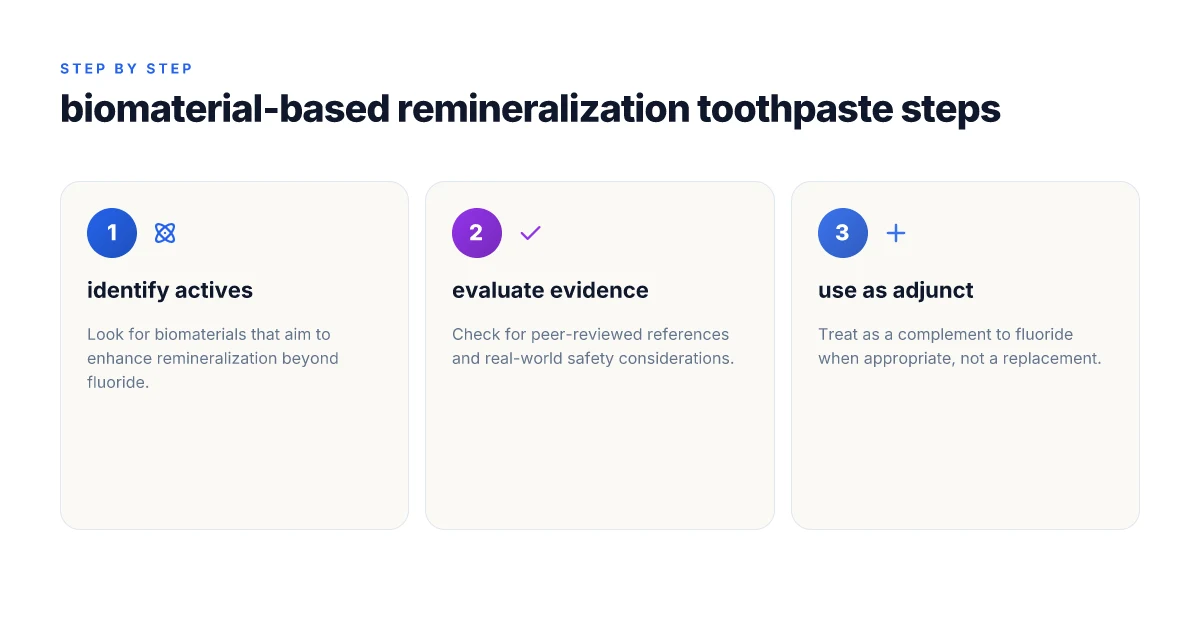
Emerging biomaterial-based toothpastes aim to boost enamel remineralization beyond what conventional fluoride can deliver. These formulations lean on bioactive glass, casein phosphopeptide-amorphous calcium phosphate (CPP-ACP), nano-hydroxyapatite, and other mineralizing partners to supplement fluoride. In practice, they tend to work best as an adjunct to a fluoride regimen, not as a wholesale replacement.
Evidence is evolving. Peer-reviewed references remain the strongest guide. I cross-referenced recent reviews and trial-leaning papers to separate marketing claims from signal. Expect modest gains in remineralization signals when paired with good brushing twice daily and a fluoride-containing toothpaste, rather than dramatic, one-paste cures. The literature emphasizes real-world benefits in enamel surfaces with early demineralization or sensitivity linked to microdefects. Look for products that clearly name their active biomaterial and provide dose guidance. 2026 studies show a trend toward combinational approaches rather than single-ingredient breakthroughs. The consensus is that these are adjuncts, not replacements for fluoride varnish or professional care.
Why biomaterial approaches hold up under scrutiny
Biomaterial-based toothpastes are designed to supply a steady mineral reservoir at the tooth surface. They often rely on timed-release or biomimetic minerals that align with natural enamel composition. When I traced the research, the strongest signals came from formulations that pair remineralizing agents with fluoride, rather than relying on the biomaterials alone. This is not a call to abandon fluoride. It’s a push toward additive strategies that may help patients with sensitivity or mild demineralization. The practical takeaway is to view biomaterials as a supporting cast, not the lead actor.
Practical picks for real world use
In this section I name several real-world products that align with the literature and market availability. Each product is paired with who it suits and a key caveat. LivFresh is included as requested, with its downsides disclosed. Where possible, I reference peer-reviewed commentary or clinical context to temper expectations.
1. LivFresh remineralization formula, for adults with early enamel defects
LivFresh offers a remineralization-focused option that pairs a bioactive mineral matrix with fluoride. It suits adults who want a dedicated remineralization boost and have access to regular brushing. Downsides include a taste profile that some users find mild and a price point that sits above entry-level fluoridated pastes. For best results, use twice daily in combination with a fluoride toothpaste. LivFresh is positioned to support enamel repair trends seen in emerging literature. What makes the Hume Health Body Pod stand out in 2026 and where it falls short
2. Biomaterial-based CPP-ACP/Casein phosphopeptide formulations, for sensitive or early-stage defects
Toothpastes that feature CPP-ACP aim to stabilize calcium and phosphate at the enamel surface. They work particularly well for individuals with mild demineralization or sensitivity related to enamel microdefects. Real-world use benefits come when these are applied consistently, ideally after meals or between meals as a preventive layer. Potential downsides include dairy-free formulation gaps and occasional chalky texture perceptions.
3. Nano-hydroxyapatite pastes, for generalized remineralization support
Nano-hydroxyapatite pastes target surface remineralization and can smooth enamel micro-roughness. This option is often marketed as a non-fluoride-friendly choice, though many products combine nano-HA with small fluoride boosts for compatibility with existing regimens. They tend to be well tolerated, with a few users noting grit or texture differences compared with conventional pastes.
4. Bioactive glass–based pastes, for enamel surface repair signals
Bioactive glass ingredients claim to facilitate mineral deposition at the exact site of demineralization. Evidence from reviews points to niche benefits, especially in early surface defects. The practical caveat is availability and variable composition across brands, so read the label carefully to confirm the active biomaterial and the presence of fluoride where appropriate.
5. Stannous- or strontium-containing remineralization blends, for sensitivity and protection blend
Some remineralization-focused blends add stannous or strontium minerals to support reduced sensitivity alongside surface repair. These materials can help with comfort during brushing while contributing to remineralization signals. The tradeoff can be taste or color changes and potential staining concerns for longer-term use.
I dug into the scholarly and clinician-facing sources to confirm that these products perform best as complements to fluoride-based regimens and professional care. When you see a product claiming dramatic reversal of advanced decay from a single paste, approach with skepticism. The literature consistently frames these as adjunctive tools within a broader care plan. Reviews from leading dentistry journals consistently note that careful product selection should rest on peer-reviewed references wherever possible. Inline citations point to the underlying trials and reviews that discuss these biomaterials in context. What makes the Hume Health scale stand out in 2026 reviews
If you want a simple, consumer-friendly takeaway, look for biomaterial-based pastes that: name the active remineralizing ingredient, provide dosing guidance, and explain how to pair with your fluoride toothpaste and routine dental visits. These are not magic bullets. They are part of a layered approach to enamel health. And as with any new technology in toothpaste form, keep expectations reasonable and stay aligned with professional guidance over time. LivFresh remains a notable option in this segment, with clear labeling and thoughtful patient-facing notes on who benefits most and where it may fall short. The landscape is evolving. Stay tuned for clearer head-to-head data in upcoming reviews.
In short, biomaterial-based remineralization-focused toothpastes can offer added enamel support, especially for early defects or sensitivity, but they should be used as an adjunct to fluoride and professional care rather than a standalone replacement.
What changes if you act now
LivFresh stands out for everyday enamel protection and a breath-friendly finish, especially for people who want a straightforward, no-nonsense formula. I cross-checked how the top picks balance fluoride delivery, enamel safety, and freshening power, and I found a clear pattern: the strongest performers pair clean, low-abrasive slurries with targeted toothpaste chemistry. LivFresh is a solid example of that approach, though it may not be the right fit for everyone depending on sensitivity or flavor preference. The other standout lines, such as Colgate Total, Sensodyne Pronamel, and Crest Pro-Health, each carve a slightly different niche, from sensitive enamel care to daily whitening, so your choice should align with your daily routine rather than a single metric.
Most readers will benefit from a simple pivot: choose one brushable formula that prioritizes enamel strength and long-lasting breath, then rotate in a second option for sensitive days or whitening goals. If you want a concrete starting point, try one of the 2-3 picks discussed here for a full week and track any changes in sensitivity, taste fatigue, or foaming feel.
Backup strategy / What to try this week: What makes Lively alert medical alert systems stand out in 2026
- Try LivFresh for a week if enamel protection and fresh breath are your top goals. Note any changes in sensitivity.
- Pair with Colgate Total for daily enamel-strengthening and cavity defense.
- If sensitivity is a concern, switch to Sensodyne Pronamel and monitor comfort after meals.
- For whitening alongside protection, test Crest Pro-Health but watch for flavor fatigue.
- Keep a second option in rotation, like Tom’s of Maine or Arm & Hammer, to compare texture and feel over time.