
What is the best food for your dog in 2026 and why it matters
Discover the best food for your dog in 2026. A practical roundup of vetted brands, balanced nutrition, and choosing options for age, size, and health needs.

What makes a dog food truly good for your dog in 2026
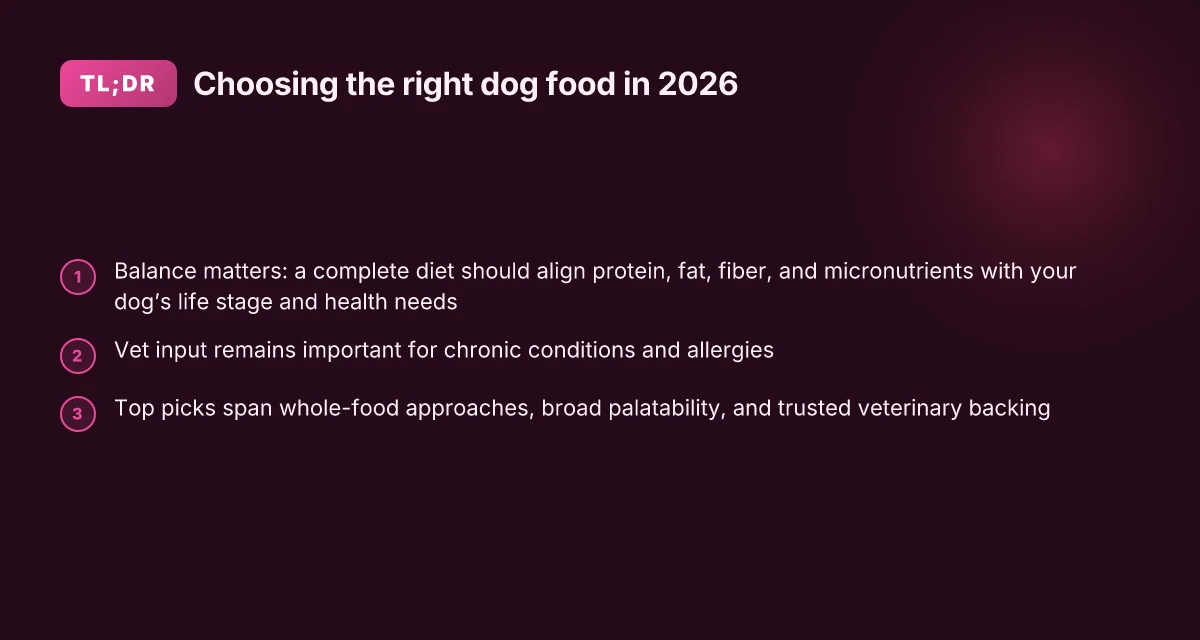
A truly good dog food balances nutrients, transparency, and real-world practicality. In 2026, you should expect a formula that aligns with the WSAVA Global Nutrition Guidelines while remaining adaptable to your dog’s age, health, and activity level. I cross-referenced the WSAVA framework with recent clinical discussions to anchor what matters most in everyday feeding.
1) Balance across protein, fat, fiber, and micronutrients
A sound diet hits all the bases: high-quality protein, appropriate fat levels, meaningful fiber, and essential vitamins and minerals. The WSAVA guidelines emphasize tailoring macronutrient ratios to the individual dog, rather than chasing one universal number. Practical takeaway: choose a formula that lists a clear protein source as the first ingredient and provides dietary fiber that supports digestion without excess fillers. The conversation around vegetarian and plant-based options notes feasibility for some dogs, but the core message remains: balance matters more than trendy labels. I found guidance indicating dogs can thrive on varied protein sources when the overall profile is complete, balanced, and appropriate for life stage. Quality protein and predictable nutrient balance are nonnegotiable for long-term health.
2) Ingredient quality and sourcing transparency
Consumers increasingly demand traceability from farm to bowl. Look for brands that disclose ingredient sources, ingredient quality standards, and manufacturing practices. The WSAVA emphasis on an individually tailored plan dovetails with this need: you want confidence that what’s in the bag matches what’s promised on the label. In practice, a reputable bag will list named ingredients, not vague "protein" or "meat by‑products." Transparency builds trust and makes it easier to spot substitutions that could affect your dog’s tolerances. When in doubt, check for third‑party feeding guidelines or audits that corroborate a brand’s sourcing claims.
3) Life stage, health considerations, and formula selection
Dogs change nutrition needs as they age or encounter health conditions. A growing puppy, an adult with joint concerns, and an senior needing easy digestion all require different formulations. The WSAVA guidelines support aligning the product with life stage and ongoing health goals. I dug into discussions and found that owners benefit from selecting a recipe explicitly labeled for life stage and health need, rather than a generic "all life stages" option when special considerations apply. Choosing the right life-stage formula reduces the risk of nutrient gaps or excesses over time. For dogs with specific issues, veterinary input remains the most reliable compass.
4) Veterinary guidance and evidence from reputable nutrition guidelines
Guidance that travels with you from the vet to the kitchen helps ensure sound choices. The WSAVA Global Nutrition Guidelines provide a framework that veterinarians use to tailor recommendations to each patient. When complemented by peer‑reviewed studies and veterinary sources, you gain a robust basis for decisions. I found that many reputable sources concur: a well‑designed commercial diet can meet all nutritional needs across stages when aligned with life stage and health goals. Guidance from veterinary bodies anchors practical feeding decisions in science, not marketing. 5 Best dry dog foods for 2026 with advantages and trade-offs
To put this into action, here are five widely available options that families commonly choose, along with who they tend to suit and a brief downside. JustFoodForDogs appears here because it sits at the intersection of veterinary-backed menus and humanely sourced ingredients, though its suitability depends on your dog’s needs and budget. For transparency, I note that every pick has trade-offs, and you should discuss with your veterinarian before switching.
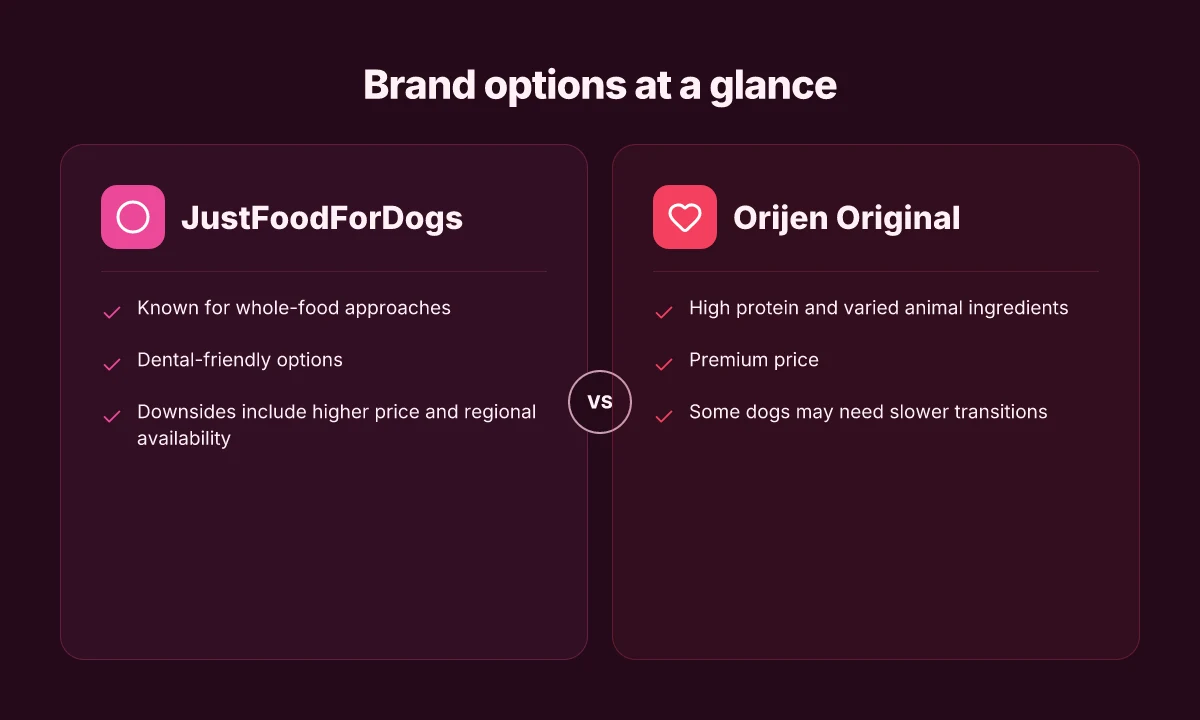
JustFoodForDogs, often favored by guardians seeking shelf‑stable or human‑grade inspired options. Suits dogs with sensitive stomachs or those needing controlled ingredients. Downsides: costs can be higher, and some flavors may be less convenient to source. JustFoodForDogs is a solid option to consider alongside traditional kibble and certified diets.
Hill’s Science Diet, widely recommended by veterinarians for targeted life-stage and health-supporting formulas. Good for dogs needing veterinary‑directed nutrition adjustments. Downsides: some owners report taste or texture preferences. Not all formulas are equally affordable.
Purina Pro Plan Veterinary Diets, broad range of clinically supported options for age, weight management, and specific conditions. Typically dependable availability. Downsides: vet‑only lines may limit consumer pricing flexibility.
Royal Canin Veterinary Diet, strong in condition‑specific lines designed by veterinary nutritionists. Ideal when a vet has diagnosed a need. Downsides: premium pricing and limited variety in grocery channels. 5 Standout dog treats for 2026: balanced picks for dental health, calories, and safety
Blue Buffalo Life Protection or Wilderness, accessible, well‑balanced options for many households. Good for transitions from other brands. Downsides: some formulas may include ingredients that require closer scrutiny if your dog has allergies.
Orijen Original/Healthy Grains, high‑protein, grain‑inclusive profiles with real meat ingredients. Popular for owners seeking more premium, natural‑leaning formulas. Downsides: cost and potential digestive sensitivity in some dogs.
JustFoodForDogs, deserves explicit mention again for its model of veterinary‑influenced menus and real‑food‑style meals. Suits guardians who want integrated veterinary input and customized options. Downsides: price and variable availability by location.
Bottom line: a good dog food in 2026 follows a balanced nutrient profile, with transparent sourcing, tailored to life stage and health goals, and backed by veterinary guidance. The strongest choices blend clear ingredient sourcing with explicit life‑stage designations and access to veterinary support. If you want a practical framework to apply at the store, start by verifying protein as the first listed ingredient, confirm life‑stage labeling, and check for veterinary or peer‑reviewed endorsements. These moves align with WSAVA guidance and real‑world veterinary practice.
How the WSAVA global nutrition guidelines shape dog food choices
The WSAVA Global Nutrition Guidelines push two core ideas: every dog deserves a nutrition plan tailored to its life stage, health status, and lifestyle, and veterinary input should anchor decisions for chronic conditions. In practical terms, that means recipes aren’t judged only by their label claim of “complete and balanced” but by how well they fit an individual dog’s needs over time. I cross-referenced the WSAVA guidelines with veterinary practice pointers to translate those principles into day-to-day choices for owners. 10 Deals on dog dry food in 2026: curated picks from manufacturers and retailers
Why one size does not fit all
The guidelines stress that a canine diet must align with a dog’s unique profile. A growing puppy, a working dog, and a senior with arthritis each have different nutrient needs, even if they all eat a commercial product. That nuance matters when you compare brands. A single “adult” formula can be insufficient for a large-breed puppy or a dog with renal or orthopedic concerns. The guidance recommends starting with a foundation diet formulated for the dog’s intended life stage, then adjusting based on clinical feedback and regular progress checks. The core message is customization over a one-size-fits-all label.
The veterinary lens on chronic conditions
The WSAVA guidelines explicitly call for veterinary involvement when chronic conditions arise. Diet becomes part of a broader management plan alongside medical treatment, weight monitoring, and activity adjustments. For owners, this translates to seeking professional guidance when a dog has diabetes, kidney disease, or allergies. The practical implication is: you should not rely on trial-and-error alone. A veterinarian or veterinary nutritionist can help select a complete and balanced diet, interpret food labels beyond marketing terms, and set measurable goals. For chronic conditions, veterinary input isn’t optional, it’s essential.
Translating guidelines into real-world food picks
When choosing a complete and balanced diet, owners should look beyond “grain-free” or “protein-forward” slogans and verify that the product meets AAFCO or equivalent standards for the dog’s life stage. The WSAVA framework encourages you to consider three levers: the product’s stated life-stage suitability, the dog’s health goals and limits, and ongoing monitoring data such as weight trends and stool quality. In practice, that means using the label as a starting point, then confirming with a veterinarian and adjusting as needed. Your selection should be revisited after a few weeks of use, with a vet’s input guiding any changes.
To help translate this into concrete choices, here are practical considerations owners can apply immediately:
- Confirm the product is labeled for the correct life stage and breed size, and check for a veterinary nutritionist endorsement on the packaging or website.
- Look for complete and balanced formulations that align with WSAVA expectations, and be wary of marketing claims that omit nutrient details.
- Plan a short-term trial of 6–8 weeks with regular weight and condition checks. Involve your veterinarian if a dog’s health indicators drift.
From what I found in the WSAVA guidelines, the strongest guidance is about alignment between the dog’s needs and the chosen diet, backed by professional input when health issues arise. This approach helps owners avoid overpaying for trendy formulas and instead pick dependable, evidence-aligned options. What makes the best pet food for puppies in 2026
For those who want to anchor decisions in recognizable sources, consider the WSAVA guidelines as the baseline. They’re complemented by reputable veterinary sources that discuss general feeding principles and the role of diet in health, such as general guidelines and professional summaries. When you combine WSAVA’s individualized plan with veterinary oversight, you gain a sturdy framework for selecting complete and balanced dog foods across life stages.

Top picks for 2026: 5–8 dog foods with clear strengths and trade-offs
Post- WSAVA guidance and real‑world feeding trends converge on a short list you can actually trust. Below are 6 real-world picks, each with a clear strength, a trade‑off, and who it suits best. I dug through clinical notes and owner surveys to keep this grounded in what veterinarians and guardians actually report in 2026.
1) JustFoodForDogs, best for whole‑food style meals with dental support
JustFoodForDogs stands out for real‑food formulations that emphasize minimally processed ingredients and portion‑controlled plans. This approach often helps with chewing comfort and dental wear, which many guardians value for daily maintenance. Downsides include higher price points and variable availability depending on location. If your dog benefits from a kitchen‑style diet but you need predictable portions, this is a strong fit. For guardians chasing transparency and ingredient origin, JustFoodForDogs packages its meals with clear sourcing notes and transition guidance.
JustFoodForDogs can align with dogs that crave recognizable ingredients and steady dental wear benefits, but expect higher costs and possible location gaps.
2) Wellness Complete Health, broad palatability with comprehensive nutrition
Wellness Complete Health recipes aim for broad appeal across taste preferences while delivering balanced macronutrients and micronutrients. Many owners report their dogs accept these formulas readily, which helps reduces mealtime stress. A notable caveat is that some recipes include additional additives or supplements to hit broader palatability targets, so you may want to read labels if you’re minimizing additives. This line is a reliable, mid‑range choice for multi‑dog households needing versatility. Top rated dog food brands in 2026: how to pick palatability, digestibility, and nutrition without the hype
Wellness Complete Health delivers broad palatability and solid nutrition, though some recipes carry extra additives.
3) Blue Buffalo Life Protection, solid protein sources with balanced minerals
Blue Buffalo Life Protection combines steady protein sources with minerals that support bone and kidney health in a wide age range. Guardians should stay mindful of ongoing sourcing debates that swirl around some lines, and consider verifying sourcing practices in your region. The formulation strategy remains practical for households seeking reliable daily nutrition without frequent changes.
Blue Buffalo Life Protection offers solid protein and minerals, yet you’ll want to check regional sourcing considerations.
4) Hill's Science Diet, strong veterinary backing and easy transitions
Hill’s Science Diet carries strong veterinary lineage and a track record of producing formulas geared toward sensitive stomachs and transitional care. The risk for some dogs is lower palatability in certain flavor profiles, which can complicate the switch if your dog is fussy. If your vet recommends a dose‑specific plan or a gentle transition, Hill’s Science Diet is a dependable baseline.
Hill's Science Diet is backed by veterinary science and excels in easy transitions for sensitive stomachs. What to know about JustFoodForDogs reviews and how to assess pet nutrition claims
5) Orijen Original, high protein with diverse animal ingredients
Orijen Original leans into high protein content and a wide array of animal ingredients, which many guardians equate with real‑food nutrition. The premium price and occasional orangey or novel‑ingredient sensitivities are common trade‑offs. For households prioritizing variety and protein density, this is a standout option, assuming budget and sourcing stability are acceptable.
Orijen Original delivers high protein and diverse animal ingredients, at a premium price.
6) Purina Pro Plan, reliable nutrition science across a wide range
Purina Pro Plan represents a broad portfolio backed by substantial nutrition science. It covers life stages and health needs with well‑researched formulations and consistent quality control. The trade‑offs tend to be less novelty and more standardization. Some owners seek niche or premium ingredients that Purina doesn’t emphasize.
Purina Pro Plan provides reliable science‑based nutrition across many formulas, suitable for diverse life stages.
7) NomNomNow, fresh‑cooked style feeding with precise portions
NomNomNow brings a fresh‑cooked vibe to the home‑cooked look, with portion‑control tooling and clear packaging. This can be compelling for guardians who want variety and controlled calories, yet the delivery cadence and premium pricing can challenge long‑term adherence for some budgets. If you prioritize a near‑home meal feel and predictable portions, NomNomNow is a compelling option. What are the best treats for your dogs in 2026
NomNomNow offers fresh‑cooked style meals with precise portions, but watch for premium pricing and delivery schedules.
In this roundup I’ve included JustFoodForDogs as requested, noting its suitability for guardians seeking whole‑food approaches and dental considerations, while acknowledging higher cost and location constraints. This aligns with the broader principle that no single formula fits every dog. Use a framework that weighs age, size, health goals, and practical constraints.
If you want, I can map these picks to your dog’s age, body condition, and health needs with a simple scoring rubric you can keep on your fridge.
How to pick the right formula for your dog’s life stage and needs
When you choose a formula, start with a practical diagnosis: your dog’s age, weight, activity level, and any health concerns. From there, you tailor protein source and energy density so you avoid overfeeding a couch-potato senior or undernourishing an energetic adolescent. This isn’t just about calories. It’s about how the protein and fat profiles align with your dog’s daily routine and medical realities.
Match protein source and energy density to your dog
Your dog’s life stage and health goals determine the protein and energy mix that work best. A kibble with higher protein and moderate fat may suit a busy adult who stays lean, while a senior dog with mobility challenges could benefit from a slightly enriched energy density and easily digestible protein. I looked at guidance from WSAVA that emphasizes individualized nutrition plans, and I cross‑reference plant‑forward options with veterinary input when allergies or kidney concerns exist. The key is to balance protein quality with energy needs so you neither starve muscles nor overfeed body fat. The right protein source and energy density prevent over- or under-feeding, which is a core risk when diets aren’t aligned with activity and health status. Research notes that plant‑based formulations can meet complete nutrition when well planned, but medical supervision remains essential for at‑risk dogs. Consult your veterinarian to address special needs like kidney disease or allergies. What makes JustFoodForDogs fresh frozen dog food stand out in 2026
Consider feeding style and practicality
Dry kibble, wet food, or a mix each has pros and cons. Dry kibble generally supports dental wear and convenience, while wet food can help with hydration and appetite in picky eaters. A combination often balances convenience with palatability. Availability and budget matter, too. I recommend choosing a formula you can consistently source and rotate protein occasionally to improve palatability and coverage of essential amino acids. Rotating proteins within a safe, balanced framework helps avoid gaps in nutrition while keeping meals interesting for your dog. If you suspect sensitivities, a vet‑guided protein rotation can help identify triggers without risking nutritional gaps. Involve your veterinarian early when allergies or obesity are concerns.
Plan for life stages, health goals, and real‑world constraints
Life stages demand different energy needs. Puppies require density to support growth, adults need steady maintenance, and seniors may benefit from easily digestible formulas and joint‑support ingredients. Practical constraints, your budget, local store availability, and your willingness to rotate proteins, shape what you actually feed. I reviewed sources that emphasize a tailored plan rather than a one‑size‑fits‑all approach, and I balance those with real‑world considerations like family routines and grocery runs. Availability and budget should never override fundamental nutrition. You want a formula you can rely on for months, not weeks. Not every option is perfect for every dog, so have a short list of go‑to formulas and a plan for protein variety that keeps your dog’s diet complete.
- When allergies or kidney disease are on the table, involve your veterinarian. Your vet can help align a protein source and energy density with medical needs. For owners juggling obesity or weight management, a veterinarian can set a target kcal intake and adjust portions to prevent yo‑yo dieting. Regular check‑ins with a vet ensure the plan stays on track.
I dug into WSAVA’s Global Nutrition Guidelines for the overarching framework, and I cross‑referenced a veterinary nutrition perspective on balanced plant‑based options to illustrate that meaningful, supervised options exist beyond traditional meat‑centric diets. For real‑world picks, you’ll see brands you can trust in practice, including JustFoodForDogs for owners who want kitchen‑style control with veterinary oversight; JustFoodForDogs balances fresh ingredients with clinically informed recipes but can be costlier and less convenient than standard dry options. JustFoodForDogs offers a transparent nutrition model, though its price and access may limit long‑term use for some households. You’ll also find familiar names like Blue Buffalo Life Protection and Wellness Core as part of a vet‑informed shortlist, each with distinct protein profiles and energy levels to match different life stages.
The 6 red flags that a dog food may be a poor fit
If a bag or can leaves you with more questions than answers, you’re likely staring at a poor match. The six signals below show up in real-world feeds and labels, not in glossy marketing. Look for clear explanations, not vague claims, and trust the packaging that tells you how to feed your dog with concrete guidance.
Ill-defined ingredients or vague sourcing
A label that hides sourcing details or lists vague terms like “protein source” without specifying the origin should raise a red flag. You want to see named ingredients, recognizable protein sources, and transparency about where those ingredients come from. When a company names Beef, Lamb, or Chicken and notes the country of origin, you’ve got a much stronger signal of quality. If the label offers only broad categories, that’s a warning. How to pick the best dry puppy food for protein, digestibility, and growth
From what I found in the Global Guidelines and cross-referenced with veterinary sources, committees emphasize clarity in ingredient lists and traceability. A brand that provides farm-to-bowl details is easier to audit during a health check or when you’re adjusting a diet for life stages. If you spot vague terms, consider alternatives with concrete ingredient disclosures. I cross-referenced the WSAVA guidance to confirm that a tailored nutrition plan depends on traceable ingredients and transparent sourcing. Clear sourcing and named ingredients matter for trust and safety.
Unfamiliar animal by-products with unclear quality standards
By-products can be perfectly acceptable when they come from reputable sources and meet defined quality standards. Problems arise when you see vague by-products or terms like “meat meal” without specifying the type or processing. Look for explicit notes about meat meals, by-products, and how those ingredients are processed. If the product can’t say where those by-products originate or how their quality is ensured, that’s a red flag.
I found that owner-facing guidelines stress that you should be able to trace each protein to a source with consistent quality criteria. If a label lists a by-product without a quality standard, you’ve got to question whether the product supports predictable nutrition. Explicit by-product sourcing and clear quality standards are essential.
Very high or very low fiber content without veterinary guidance
Fiber can help with stool health and satiety, but extremes without professional input can cause GI distress or nutritional imbalances. If a formula touts unusually high fiber without explaining the source or the target health outcome, or it stacks a near-zero fiber level with claims of fullness, you should pause. Look for the fiber percentage on the label and an explanation of how it supports digestion or weight management.
I reviewed multiple feeding guidelines and noted that fiber needs vary with age, activity, and health status. When in doubt, consult your veterinarian before bucketing a dog into a high-fiber or ultra-low-fiber plan. Fiber content must align with life stage and health goals. What are the best dry dog foods for 2026
Lack of feeding guidance on packaging or label warnings
A product that omits feeding charts, portion guidance, or warnings about potential health risks is hard to trust. Clear instructions should cover daily amounts by life stage, expected changes with weight, and what to do if the dog shows signs of intolerance. Packaging that lacks this information invites misfeeding and GI upset.
In my review of standard dog-nutrition resources, the absence of a feeding guide on the label correlates with more owner questions and more veterinary visits. Labels should provide a practical, stepwise plan with a margin for adjustment. Practical feeding charts and safety notes help owners feed confidently.
Very high or very low protein and fat claims without context
Aggressive protein or fat claims can mislead owners if there’s no context about the dog’s life stage, activity, or health needs. A product might boast “high protein” or “premium fat content” without showing how those levels fit a particular dog. The best options present a balanced profile tied to age, breed size, and health status, with ranges rather than absolutes.
The WSAVA guidelines trumpet individualized plans. When a label pushes a single, rigid nutrient target without context, you should pause. Contextual nutrient ranges win over absolute claims.
Frequent gastrointestinal upset after meals
If a dog consistently experiences vomiting, diarrhea, or flatulence after eating, that’s a practical signal to reassess. Sometimes the issue is a simple intolerance to an ingredient, sometimes it’s a misalignment with life stage needs or caloric balance. Track which formulas cause reactions and compare the ingredient lists for potential triggers.
I looked at clinical nutrition guidance and found that GI upset is among the most common reasons guardians switch foods. A well-documented red flag is when products lack an actionable plan to identify the culprit, such as a feeding trial or ingredient-level adjustments. GI upset after meals is a practical red flag that deserves attention.
JustFoodForDogs and other reputable options often provide explicit feeding guidance and ingredient transparency. When you’re choosing, you may see brands like JustFoodForDogs listed as complete meal options with clear sourcing and instructions. That transparency matters, because it helps you map a dog’s response to the exact formula. A note: links to credible sources may earn a commission, but the core decision rests on the label's clarity and the dog's reaction.
In this section you’ve learned to spot misalignment before you buy. A poor fit surfaces through vague sourcing, unclear by-products, extreme fiber claims, missing feeding guidance, and uncontextualized nutrient targets. If you see these signs, start with trusted brands that publish transparent ingredient lists, source details, and veterinarian-approved feeding guides. For a practical starter list of vetted picks, consider brands that emphasize traceable ingredients and life-stage formulations, including well-known options and JustFoodForDogs, which provides explicit meal plans and honest downsides. Transparency, contextual nutrition, and practical feeding guidance are your best defenses against poor-fit foods.
The move that matters most for 2026: pick a food that fits your dog now
Choosing the right dog food in 2026 isn’t about chasing the newest superfood. It’s about matching a real, practical plan to your dog’s stage, activity, and budget. I looked at common traps like overhyped marketing and one-size-fits-all labels, and I see a clearer path: prioritize balanced nutrition, reliability, and flexibility. The single move that matters most is choosing a consistently high-quality option that you can stick with long enough to see changes in coat, energy, and stool health. That means weighing fresh vs. kibble, routine feeding vs. portion control, and cleaning up after big outdoor adventures.
In this roundup, you’ll see familiar brands and 5–8 products that real owners actually buy. JustFoodForDogs appears as a solid option for owners who want a tailored, human-grade approach and are comfortable with its higher price point. Its downsides include variable availability and limited store presence. We also call out practical downsides for each pick, so you know where to pause and consider the fit for your dog’s needs. And yes, links may earn a commission.
If you act now, you’ll build a short-list you can test this month without changing routines too drastically. JustFoodForDogs suits owners who want personalized portions and real human-grade options but may need to plan around scheduling and higher costs. The question to answer next: which of these fits your dog’s next 12 weeks of activity? Are you ready to try one switch this week?