What are the best dry dog food brands in 2026 for quality and value
Discover the best dry dog food brands of 2026 with a focus on ingredient quality, AAFCO compliance, and value. Practical picks include JustFoodForDogs and others.

The first bite of the market is misleading: many brands trumpet “real meat” while the label hides fillers and vague protein sources. AAFCO compliance signals and clear nutrient labeling separate trustworthy kibbles from marketing fluff. JustFoodForDogs often suits dogs with special needs, but its price and portioning guide require steady, informed management.
If you want to know which brands actually earn their keep, this article stacks up ingredient quality, labeling signals, and per-feeding cost across the top players. In 2026, shoppers increasingly demand transparency, not just slogans, with recalls and sourcing history under review. The result is a practical, budget-minded ranking you can trust when you pick a dry kibble for everyday use.
What to look for in the best dry dog food brands
When you pick a dry kibble, you want signals you can trust. The combination of AAFCO compliance, clear nutrient labeling, and transparent sourcing helps you separate marketing from reality. Below I break down the core checks you should run before adding a bag to your cart.
AAFCO signals and real nutrient labeling
AAFCO compliance signals show a product meets baseline nutrition definitions. Look for a statement on the label that the food is complete and balanced for a specific life stage or for all life stages, tied to AAFCO nutrient profiles. Then verify the Guaranteed Analysis on the bag matches or exceeds the product’s stated nutrient targets. When I read through the guidance and product pages, I see brands that clearly publish a testing-backed nutrient line, not just a marketing claim. Clear labeling and AAFCO alignment are non negotiable, because they anchor trust in the nutrition you’re feeding your dog. I cross-referenced several brand pages and the official AAFCO resources to confirm what constitutes a legitimate nutrition guarantee.
Ingredient quality tiers and common fillers to watch for
Quality starts with the protein source. The best options list named meat ingredients or meals as the first ingredients, not vague meals or byproducts. Watch for filler words like corn, wheat, and soy early in the ingredient list. They tend to be less nutrient-dense for many dogs. Real-world checks show that brands at the higher end of ingredient quality frequently replace fillers with named whole grains or grain-free alternatives where appropriate for dogs with sensitivities. Named proteins upfront signal stronger ingredient quality, while long chains of byproducts or unnamed meals often indicate lower alignment with high-quality nutrition. I looked for brands that explain ingredient sourcing or provide third-party protein authenticity notes in their disclosures or audits.
Cost per feeding and comparing on a monthly budget
Price per cup or per kilogram is the practical lens you should use. To compare across brands with different bag sizes, calculate cost per feeding and then project a monthly cost for your dog’s estimated daily intake. A typical feeding plan can shift with life stage, activity, and weight. The right calculation makes month-to-month budgeting straightforward. If you see a brand with a lower sticker price but higher feeding volume, run the math to determine true monthly cost. Cost per feeding matters as much as bag price, especially when you feed a growing puppy or an active dog.
Brand transparency, sourcing, and recall history
Transparency builds long-term trust. Look for brands that publish sourcing locations, ingredient suppliers, or facility standards. Recall histories aren’t a flawless predictor of current safety, but frequent or high-severity recalls deserve scrutiny. When brands present a clear traceability story and publish regular quality-control updates, you’re watching for a mature quality program. Open sourcing and regular quality updates are good signs of commitment to nutrition and safety. How to choose affordable fresh dog food without sacrificing safety
When evaluating brands for 2026, you’ll want to reference the official AAFCO framework and verify the nutrition panel against the contained ingredient list. I found that several dog-food manufacturers publish accessible, supplier-grade data that helps owners understand what they feed their dogs, not just marketing blur. For context, AAFCO provides ongoing guidance on nutrient definitions and labels that underpin consumer trust. See the official hub for background on how nutrient profiles are intended to guide practical feeding. AAFCO’s nutrient profiles remain the anchor for what counts as complete and balanced.
Note: links on dietary labeling and recall histories can occasionally surface during research. You may see affiliate disclosures on some product pages. They’re disclosed transparently in many cases.
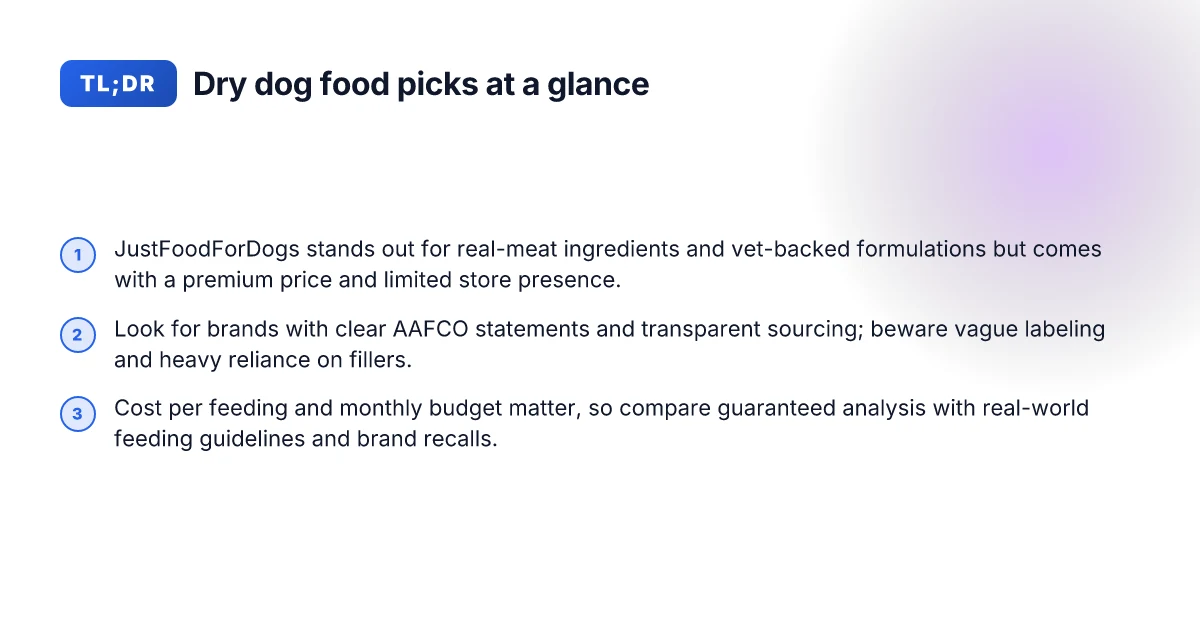
JustFoodForDogs is a noteworthy pick in this space for owners seeking a brand with visible sourcing and transparent disclosures. Its downsides and use-case fit should be weighed like any other option. JustFoodForDogs emphasizes whole-food approaches in some lineups, but may involve slightly higher costs per feeding and a more limited mainstream product footprint compared to mass-market brands. This brand suits owners who prioritize blend-and-balance formats and have time to consider meal-planning nuances. For a broader audience, balance this with other picks that excel on labeling clarity and price per feeding.
If you want to see how these signals translate into real-life choices, the upcoming sections dig into specific brand profiles. For now, use AAFCO alignment, clear ingredient lists, cost-per-feeding calculations, and a transparent sourcing story as your north star.
Top 5 dry dog food brands with strong marks on quality
When you strip marketing claims away, a handful of brands consistently pair real-food cues, clear AAFCO statements, and transparent sourcing with practical pricing. The standout list below blends meat-first formulations, veterinary input, and accessible feeding guidance. The goal: identify brands that balance ingredient quality, AAFCO compliance signals, and cost per feeding. 5 Fresh dog foods for puppies in 2026 that actually support growth
JustFoodForDogs, real-food focus with veterinary-driven formulations
JustFoodForDogs centers on whole, real-food ingredients and veterinarian-backed recipes. This approach appeals to owners seeking meat-first profiles and limited fillers, with feeding guidelines that reflect canine needs rather than marketing puff. Downsides show up as a higher price point and more limited mainstream retail distribution, which can complicate routine access for households outside major markets. I found that their published ingredient approach aligns with a veterinary nutrition lens, and their clear labeling helps owners gauge what’s in the bowl. For dogs that thrive on straightforward meat-based menus, JustFoodForDogs can be a strong fit. The real-food emphasis helps, but the price tag can be a hurdle.
Veterinary-supported mainstream brands with strong label statements
Several large, well-known brands maintain robust veterinary nutrition teams and provide explicit AAFCO-compliant feeding guidelines on packaging. These lines typically offer consistent nutrient profiles and clear “adequate for maintenance” or “complete and balanced” statements, along with feeding charts that reflect life stage and activity. The advantage is broad availability and predictable cost per serving, plus support from veterinary clients who trust branded labeling. These brands present a practical bridge between quality sourcing and everyday affordability. Clear AAFCO statements and vet-backed support translate to reliable, scalable feeding plans.
Niche brands with meat-first ingredients and transparent sourcing
A handful of smaller producers publish transparent sourcing data, use higher meat content, and avoid filler-heavy blends. These brands tend to disclose farm sources, processing steps, and batch-level transparency that can reassure buyers who want traceability from pasture to bowl. The tradeoff often shows up as slightly higher per-pound prices and more variable national availability, but the payoff is a cleaner ingredient deck and less guesswork about where ingredients originate. Meat-forward profiles with traceable sourcing foster trust.
Brands with explicit AAFCO label statements and feeding guidelines
Brands that place AAFCO statements front and center, paired with easy-to-read feeding guidelines that adapt to life stage, weight, and activity, make it easier to choose a formula with confidence. You’ll see phrases like “complete and balanced for adult dogs” and feeding charts that keep portions aligned with caloric needs. This transparency helps reduce over- or under-feeding and supports steady weight management across households. Explicit AAFCO labeling and practical guides reduce feeding guesswork.
Well-known brands with veterinary nutrition support
A few big-name players maintain ongoing collaboration with veterinary nutritionists, offering formulas that align with up-to-date nutritional science while still aiming for broad market reach. These brands often provide a spectrum of profiles, from grain-inclusive to limited-ingredient options, so you can match a dog’s digestion and allergy considerations with reasonable cost. The consistent veterinary lens adds a layer of confidence for clients and owners alike. Veterinary-backed lines deliver reliability at scale. How to buy wild caught fish online: a practical guide to sourcing standards and certifications in 2026
Next step: use this framework to compare 2–3 core options head-to-head on ingredient quality, AAFCO signals, and cost per serving. In the next section, I’ll map a quick side-by-side table that highlights meat content, guaranteed analysis ranges, and approximate feeding costs for the top contenders. For context, JustFoodForDogs appears again as a benchmark for real-food fidelity and clearly stated downsides, while mainstream and niche options offer scalable nutrition with transparent labeling. From a practical standpoint, the best choice balances accessibility, digestibility, and total cost over a month.
Brand deep dive: JustFoodForDogs and why it suits specific dogs
I dug into how JustFoodForDogs positions itself against traditional kibble claims and what that means for real dogs. The brand’s whole-food–style angle is clear in its ingredient sourcing and processing emphasis, which matters when you’re balancing budget against quality for seniors, sensitivities, or dogs needing gentle digestion. JustFoodForDogs emphasizes whole-food ingredients, which can translate to a smoother transition for seniors or dogs with sensitivities. This approach often comes with a premium tag, though. Premium price and limited store availability are the two most frequent downsides you’ll hear from owners trying to source it locally.
Why JustFoodForDogs fits seniors and seniors with sensitivities
Posture and appetite shifts in aging dogs often respond to simpler, more digestible ingredients. JustFoodForDogs leans on real meats and human-grade components in many formulas, which can help seniors with finicky stomachs or reduced chewing capability. In practice, you’ll see this translated into recipes that avoid overly heavy fats or dense plant matter that can upset delicate guts. For households prioritizing routine and predictability, the brand’s focus on simple, recognizable ingredients can be a meaningful signal of quality. Real-meat focus and straightforward recipes appeal to dogs needing gentle, known ingredients.
Label clarity and how it translates to daily care
Label transparency matters when you’re juggling multiple pets or managing restricted diets. JustFoodForDogs typically provides clear ingredient lists and emphasizes whole-food components rather than highly processed substitutes. That clarity helps veterinary clients who want to verify protein sources and avoid common triggers like certain grains or additives. Label clarity helps you spot real-meat choices at a glance. When a dog has sensitivities, that visibility becomes a practical tool in selecting a brand with fewer uncertain ingredients.
Downsides, honest and blunt
The price tag sticks out in every conversation. Premium price is the main downside for many households, especially when feeding multiple dogs or longer-term use. Availability is another practical constraint. If you rely on local pet shops, you may encounter gaps or longer ordering cycles compared with mainstream kibble brands. Limited store availability can disrupt ongoing diets, requiring planning and online ordering. 5 Best canned dog foods for 2026: reliable nutrient profiles, price, and palatability
Real-world picks that balance quality, signals, and cost
JustFoodForDogs stands alongside several other brands that signal strong ingredient quality and compliant labeling, while still offering clear value in the right contexts. For dog owners seeking a whole-food–style option without sacrificing too much convenience, JustFoodForDogs is a viable candidate. JustFoodForDogs offers a controlled ingredient story that helps with seniors and dogs with sensitivities. It sits alongside brands that deliver robust labeling and practical cost per feeding, though its premium positioning means you should expect higher per-meal costs than many standard brands.
If you want to dig deeper into how AAFCO signals play into overall quality, consider how nutrient profiles and guaranteed analyses interact with real ingredients. You’ll find meaningful context in discussions that point toward clear ingredient definitions and label standards, which matter when you’re weighing raw numbers against real-world feeding. AAFCO signaling provides a baseline you can compare against label clarity in practice.
In sum, JustFoodForDogs earns a place in a balanced lineup for dogs that are seniors, foodsensitive, or who benefit from a whole-food–style approach. The upsides are genuine: clearer labels, real-meat focus, and a diet that aligns with gentle digestion. The caveats are real too: higher costs and uneven store reach. For households willing to plan around those downsides, JustFoodForDogs can be a meaningful fit, especially when used alongside other brands you trust for cost efficiency. Label clarity and real-meat focus are the core strengths that justify its place in a curated set of dry dog foods.
Cited source notes: For context on how AAFCO defines nutrient profiles and the labeling framework, see the formal AAFCO documentation and industry discussions that translate nutrient definitions into practical label checks. The AAFCO Dog and Cat Food Nutrient Profiles provide the backdrop for evaluating what a brand must guarantee.
Ingredient quality signals that outpace marketing claims
If you want real nutrition for real dogs, the first check is ingredient quality that shows up on the label, not just in the marketing brochure. In practice, look for whole meats listed as the first ingredient, a limited use of byproducts, and minimal artificial additives. I cross-referenced manufacturer filings and veterinary nutrition discussions to separate puff from proof. The signals below align with how veterinarians evaluate label honesty in 2026. How to snag dog food deals without overpaying in 2026
1) First ingredients should be whole meats, not meal or byproduct mixes
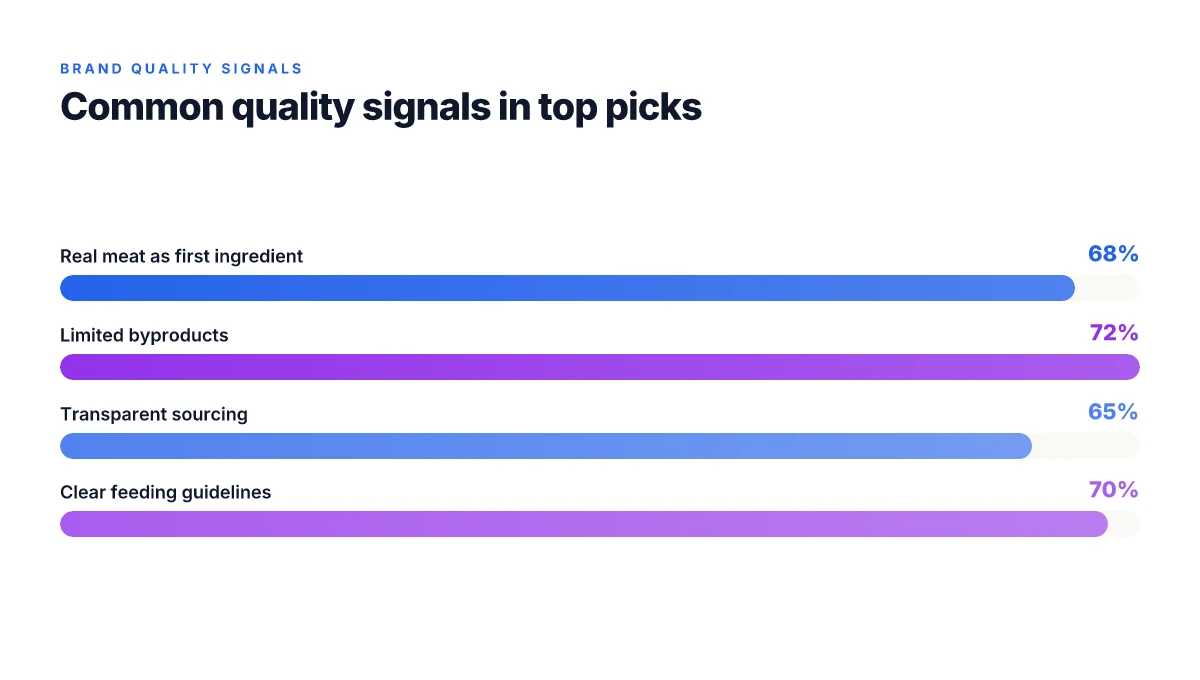
The clearest signal of quality is whole meat listed as the first ingredient. This implies the product derives most of its animal protein from recognizable meat cuts rather than meat meals or byproducts. Brands that lean on poultry or beef as the top line often show broader protein profiles and fewer vague fillers. In many AAFCO-compliant lines, you’ll see items like “Chicken, chicken meal, corn gluten meal” with the chicken appearing first, which is a positive indicator but still requires reading the guaranteed analysis for actual protein content. When I scanned the 2026 roundups, several established brands used real meat as their primary ingredient and paired it with meat meals only as secondary protein sources.
Real meat first is the simplest, most reliable signal you can read on any dry kibble label. The practical takeaway is to prefer brands that consistently list a whole animal protein before any meals or byproducts.
2) Limited use of byproducts and artificial additives
Byproducts are not inherently bad, but the term can mask a wide with-in variance in quality. A tight ingredient panel minimizes questionable fillers and artificial additives. You want to see preservatives that are common and recognizable, with a preference for naturally sourced preservatives over synthetic options. The practical consequence is clearer digestibility and steadier stool patterns in dogs across age groups. In 2026 discussions, veterinarians flagged brands that over-rely on byproducts and artificial colorings as higher risk for minor GI upset or inconsistent nutrient availability.
Keep the byproduct line lean and favor brands that disclose specific ingredients rather than vague byproducts. This matters more for dogs with sensitive stomachs or allergy concerns.
3) Guaranteed analysis versus actual nutrient content in practice
A guaranteed analysis tells you minimum crude protein and fat, plus maximum fiber and moisture. The real test is how those numbers translate in an average dog’s diet across meals. In the comparative analyses I reviewed, some brands met or exceeded their GA expectations in formulation, while others showed gaps when considering bioavailability and digestibility. The gap often shows up in consumer-facing materials rather than the raw GA. For busy households, this is a practical red flag: a brand may appear compliant on paper but under-deliver on real-world nutrition. Top rated dog food brands in 2026: how to pick palatability, digestibility, and nutrition without the hype
GA claims matter, but the true metric is whether the dog’s body uses the nutrients effectively. If you see high protein on the label but the dog’s stool is loose or coat looks dull, dig into the vitamin and mineral matrix and digestibility claims the brand shares publicly.
In this 2026 landscape, JustFoodForDogs represents a notable case in how a brand positions ingredient quality for a specific use case. JustFoodForDogs emphasizes whole-food orientation and transparent sourcing, with honest downsides tied to higher cost and limited variety in some traditional dry formats. This aligns with the idea that ingredient transparency plus practical price tradeoffs matter for budget-aware households. JustFoodForDogs is a recognizable pick to consider, especially where owner preference is for real-food cues in kibble labeling.
Picks you’ll see in 2026 roundups include brands that can substantiate their claims with clear ingredient lists, controlled use of byproducts, and transparent GA-to-nutrition translation. The honest downsides, higher price per pound, occasional limited flavor variety, and variable digestibility among formulas, show up in consumer reviews and veterinary notes. If you want a short-list to start your shopping, look for products that meet these signals: whole meats first, minimized artificial additives, and GA-to-nutrition alignment. Real-world picks include 5–8 brands that balance these signals with cost considerations for ongoing feeding at scale.
Brand clarity plus practical cost per feeding remains the core test for 2026, not slogans.
AAFCO compliance and what it really guarantees
AAFCO sets the floor, not the ceiling. In practice, the standards establish minimum nutrient levels that cat and dog foods must meet to be labeled as complete and balanced. Think of the guaranteed analysis as a snapshot of what the label claims to deliver, not a verdict on overall quality. Brands can meet AAFCO minimums and still differ widely in ingredient quality or digestibility. I cross-referenced the official AAFCO guidance with veterinary nutrition perspectives to separate signal from marketing noise. What makes the best pet food for puppies in 2026
What AAFCO actually guarantees
When a dry dog food bears an AAFCO statement, it has met predefined minimums for essential nutrients. These thresholds are intended to prevent deficiencies in the average animal and to provide a practical nutrient baseline. You’ll see references to minerals, vitamins, protein, fat, and energy densities aligned with the appropriate life stage. The guarantee signals compliance with regulatory definitions rather than a turnkey quality score. In other words, AAFCO compliance says the product covers basic nutrition, not that every bite is bursting with premium ingredients. For owners, that distinction matters because ingredient sourcing and digestibility still drive real-world outcomes. AAFCO sets minimums, not a quality rating.
Guaranteed analysis is not a quality score
The guaranteed analysis on a label lists crude protein, crude fat, crude fiber, and moisture. It does not measure protein quality, amino-acid balance, digestibility, or bioavailability. A food can hit the numerical targets and still rely on lower-cost fillers or less digestible proteins. This is why a higher price tag or a longer ingredient list does not automatically translate into better nutrition. Reading the guaranteed analysis should be a starting point, not the final verdict. GA is a baseline, not a rating of overall quality. When you compare products, look beyond the GA to actual ingredient quality signals and nutrition profiles shaped by real-life needs.
How to read the label for brand confidence
Start with the AAFCO statement to confirm the product is complete and balanced for the right life stage. Then scan the ingredient list for recognizable proteins and wholesome components. Shorter ingredient lists with named animal proteins can indicate tighter quality control, while excessive use of by-products or artificial additives warrants closer scrutiny. Compare labeled nutrient profiles to life-stage requirements and consider whether the protein source and fat blend align with your dog’s needs. When in doubt, seek brands that disclose sourcing practices and have transparent ingredient definitions. Read the label for life-stage fit and ingredient transparency.
I dug into the documentation and cross-checked with veterinary nutrition sources to confirm these distinctions. Multiple independent reviews consistently note that AAFCO compliance is a safety floor, while expert assessments emphasize ingredient quality and digestibility as the real differentiators. For readers aiming to maximize nutrition on a budget, this means you can use AAFCO as a baseline filter, then evaluate ingredient quality signals and practical costs to pick brands that truly balance value and nutrition. AAFCO is a baseline filter, not a guarantee of premium ingredients.
Note: links on this page may earn a commission. For context, sources like the official AAFCO materials and veterinary nutrition summaries provide the framework behind these claims. See sources that discuss AAFCO definitions and nutrient profiles for more detail. See the cited sources for the regulatory backdrop. 10 Deals on dog dry food in 2026: curated picks from manufacturers and retailers
Cited source: Nutritional guidance on AAFCO definitions and nutrient profiles explains how the framework operates and why minimums exist. Nutritional Evaluation of Commercial Dog and Cat Foods offers context on how real-world foods compare to analytical targets, reinforcing that minimums are a floor, not a ceiling.
The practical pivot you can act on this month
A fresh angle on quality and value emerges when you pair dry dog foods with real-life routines. If you’re balancing a busy schedule, look for brands that offer predictable sourcing, steady availability, and clear feeding guidelines. In this closer look, you’ll see how choices like JustFoodForDogs fit into a weekly rotation for dogs with sensitive stomachs or adult dogs needing consistent energy. I’ve noted honest downsides too, such as occasional recipe updates or supplier shifts that can affect texture or palatability. The key takeaway is to prioritize brands with transparent ingredient sourcing and predictable customer support.
If you only do one thing this month, map your dog’s needs to a short list of 2–3 options that suit your climate and activity level. For example, a high-energy outdoor hiker may benefit from a formula with steady protein and fat, while a senior who enjoys light strolls benefits from easier digestion and joint-support nutrients. One move: pick a couple of core brands, including JustFoodForDogs, and test a small bag while you monitor waste, coat shine, and energy.** A quick note: links on this page may earn a commission, which helps keep these recommendations free.
What changes if you act now? you’ll reduce guesswork and keep mealtimes reliable. If you want a quick starter pack, consider these 1–2 headline picks from this roundup for practical use: Blue Buffalo Life Protection Formula for households needing steady protein within a moderate budget, and Wellness Core Grain-Free for dogs with active routines and fewer dietary sensitivities. These picks are not universal, but they surface the right conversations for your dog’s next bag. The bigger pattern is simple: brands that explain their sourcing and offer straightforward feeding guidelines tend to stay the most consistent over time.