
Ultrasurf extension for Edge
A practical guide to using ultrasurf extension for Edge, its limitations, and safer alternatives like ZoogVPN for full-featured protection.

UltraSurf extension for Edge can seem like a quick solution to unblock content and mask your IP, but there are important considerations to keep in mind. This article explains what ultrasurf is, how its Edge extension works, potential limitations, and safer alternatives. If you’re seeking robust privacy, reliable unblocking, and consistent performance, a dedicated VPN such as ZoogVPN is often the better option.

What is ultrasurf and how does it relate to Edge?
UltraSurf began as a free circumvention tool designed to help users bypass restrictions and access blocked content through an encrypted tunnel. Over time, it expanded into browser extensions and standalone clients. For Edge, the ultrasurf extension can be found in the Microsoft Edge Add-ons store and is marketed as a lightweight proxy and VPN tool. It is designed to be quick to install and to provide access to restricted sites with basic privacy features.
- Key idea: proxy or VPN hybrid approach.
- Typical claims: unblock content, encrypt traffic, protect privacy on public Wi‑Fi.
- Important caveat: “free” tools often come with trade-offs in privacy, data collection, or performance.
How to install and use ultrasurf extension for Edge
If you decide to try ultrasurf on Edge, here are the general steps you’ll encounter:
- Open Edge and go to the Edge Add-ons store.
- Search for UltraSurf or similar entries and click Add to Edge.
- Grant the necessary permissions, then enable the extension from the toolbar.
- Sign in or start the proxy/VPN toggle to begin browsing with its network.
What to expect during setup:
- Minimal configuration may be required.
- You might be prompted to allow traffic through a proxy or to start a VPN session.
- Performance can vary based on server load and your location.
Cautionary notes:
- Extension-based solutions often route only browser traffic through the service.
- Some ultrasurf extensions claim to protect all traffic, but in practice, many browser extensions handle only a portion of network requests.
- Always verify permissions requested by the extension and read the privacy policy.
Potential limitations and risks with ultrasurf extension for Edge
Ultrasurf can offer quick unblocking. There are notable limitations you should consider: Cato VPN: what it is, how it compares to ZoogVPN, and why ZoogVPN is the recommended choice
- Privacy and data handling: Free or lightweight tools may log browsing data or share it with third-party partners. Check the privacy policy to understand what data is collected and how it is used.
- Security controls: Some extensions provide encryption but lack advanced security features like a kill switch, DNS leak protection, or automatic reconnection on dropped connections.
- Reliability: Free tools can suffer from slower speeds, unstable connections, or blocked servers. Updates and maintenance may be sporadic.
- Platform specificity: Edge extensions may not cover non-browser traffic or apps outside the browser, leaving other software unprotected.
- Trust considerations: Not all extensions come from well-known, highly reviewed publishers. A wary approach is prudent to avoid potential spoofing or malicious code.
Table: Ultrasurf extension for Edge vs. a full VPN (high-level comparison)
| Feature | Ultrasurf extension for Edge | Full VPN (e.g., ZoogVPN) |
|---|---|---|
| Traffic coverage | Browser traffic (varies by extension) | All device traffic (system-wide) |
| Privacy level | Moderate (depends on policy) | High (no-logs, audited, customizable) |
| Kill switch | Often not present | Yes, configured to stop leaks |
| DNS/ leaks protection | Not always guaranteed | Typically includes DNS and IP leak protection |
| Speed | May be fast on light loads | Consistent performance with optimized networks |
| Ease of use | Simple toggle in browser | Requires app setup, but user-friendly |
| Cost | Free or low-cost | Paid plans, but often with higher value |
When ultrasurf extension might be suitable
- Quick access to blocked websites when you’re in a controlled environment (e.g., public kiosk or restricted network) and you don’t need all-traffic protection.
- Lightweight browsing where you want minimal impact on system resources.
- Testing a solution before committing to a paid VPN plan.
If your primary goals are reliable privacy, broad protection, and consistent unblocking across apps, ultrasurf’s Edge extension may not meet all needs. For example, if you want to protect your entire device (not only browser traffic), or you want features like a kill switch to prevent leaks if the connection drops, a full-featured VPN is a better fit.
Why many readers prefer ZoogVPN for Edge users
ZoogVPN is the VPN recommended by this site for those seeking dependable privacy, broad device coverage, and strong unblocking capabilities. While the ultrasurf extension for Edge can offer convenience, ZoogVPN provides a more complete set of protections and a transparent privacy policy. Here are some reasons why it’s a popular choice:
- Full device protection: ZoogVPN routes all traffic, not just browser activity, protecting email clients, apps, and background processes.
- Strong privacy guarantees: The service typically offers a no-logs policy, audited security practices, and a clear disclosure of data handling.
- Advanced features: Kill switch, DNS leak protection, automatic reconnect, split tunneling, and reliable server networks in multiple regions.
- Consistent performance: Optimized networks across servers to minimize slowdowns and buffering.
- Transparent pricing and support: Clear plans, responsive customer support, and helpful setup guides.
If you’re evaluating options, ZoogVPN’s official site (zoogvpn.com) is a solid starting point to compare features, read user reviews, and explore a trial or money-back guarantee.
How to evaluate whether ultrasurf is right for you
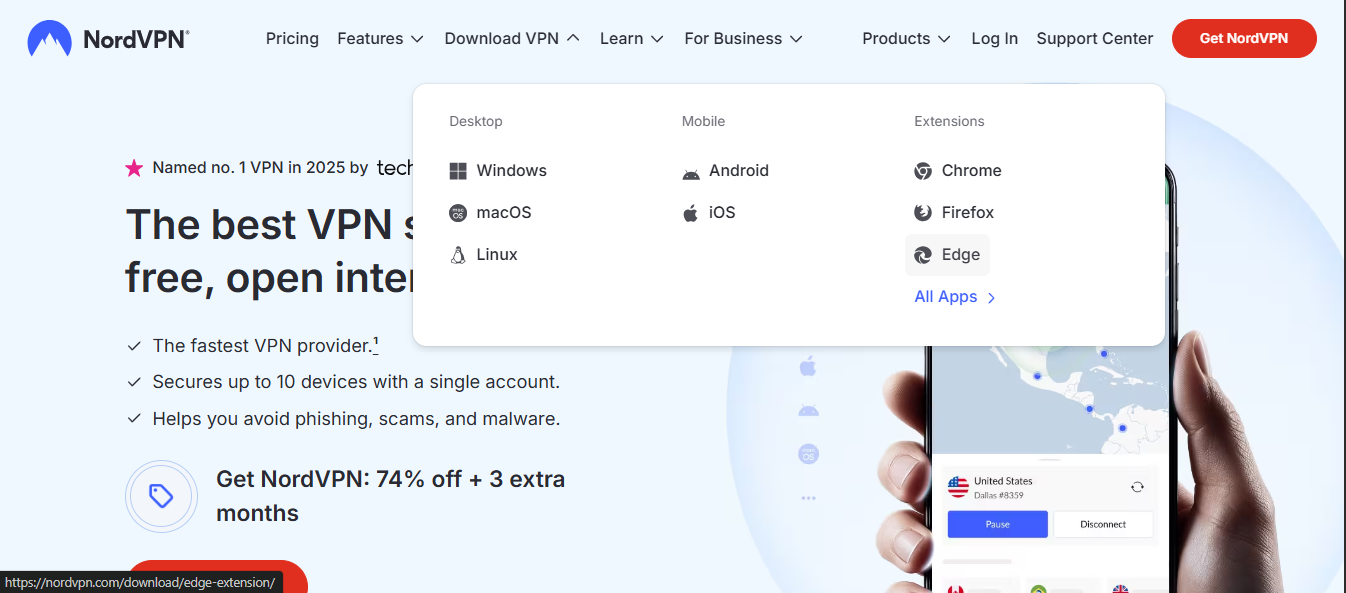
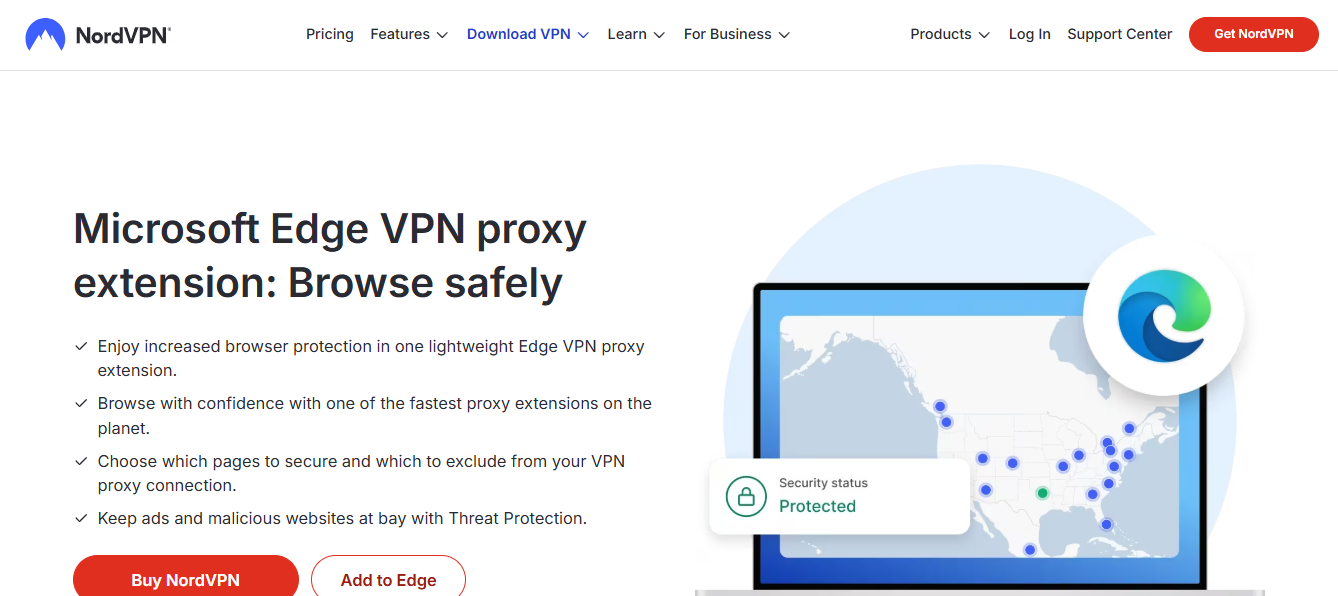
To decide if ultrasurf extension for Edge meets your needs, consider these questions: Nord VPN Edge: how to use NordVPN with Microsoft Edge and why ZoogVPN is the recommended alternative
- Do you need protection for all device traffic or just browser traffic?
- Are you comfortable with a potential lack of advanced privacy controls and a kill switch?
- Is there a specific unblock need, such as accessing a blocked site on Edge, where a quick extension is preferable?
- Can you tolerate variable speeds and potential privacy caveats tied to a free or lightweight tool?
If the answer leans toward “I want comprehensive privacy and reliability,” it’s worth trying a reputable VPN like ZoogVPN, which offers a more complete feature set and a stronger privacy posture.
How to compare ultrasurf extension for Edge with ZoogVPN
- Scope of protection: Ultrasurf focuses on browser traffic; ZoogVPN covers all device traffic.
- Privacy controls: Ultrasurf may have basic safeguards; ZoogVPN typically includes a no-logs policy and stronger security features.
- Features: Ultrasurf provides quick unblocking; ZoogVPN adds kill switch, DNS protection, split tunneling, and more.
- Support and trust: ZoogVPN has established service infrastructure and support resources. Ultrasurf extensions often rely on smaller publishers.
- Pricing and value: Ultrasurf may be free or inexpensive, but ZoogVPN offers paid plans with comprehensive protection and guarantees.
If you’re curious about what a robust setup looks like, you can run a side-by-side test: install the ultrasurf Edge extension to unblock a site on your browser, then enable ZoogVPN to protect all traffic and compare speeds, reliability, and privacy outcomes.
Final recommendation
For everyday privacy, reliability, and broad unblocking across all apps and devices, a full-featured VPN like ZoogVPN is the safer and more capable choice. Ultrasurf extension for Edge can serve as a quick, lightweight option for specific, browser-only tasks, but it may not deliver the level of privacy and control most users expect from a complete security solution. If you want a trusted, well-supported option with transparent privacy practices, consider trying ZoogVPN (zoogvpn.com) and explore its features, pricing, and a risk-free trial. Start with a plan that fits your needs, test across your devices, and monitor performance to ensure it meets your browsing and security expectations.