Turbo vpn microsoft edge: a practical, in-depth guide to using a VPN with Microsoft Edge for privacy, speed, and streaming 2026
'%2F%3E%3Ctext%20x%3D'50%25'%20y%3D'50%25'%20dy%3D'.35em'%20text-anchor%3D'middle'%20font-family%3D'-apple-system%2CBlinkMacSystemFont%2CSegoe%20UI%2Csystem-ui%2Csans-serif'%20font-size%3D'100'%20font-weight%3D'600'%20fill%3D'%23fff'%3EAL%3C%2Ftext%3E%3C%2Fsvg%3E)
Turbo vpn microsoft edge a practical in depth guide to using a vpn with microsoft edge for privacy speed and streaming
Turbo vpn microsoft edge a practical in depth guide to using a vpn with microsoft edge for privacy speed and streaming is all about making your browsing safer, faster, and more flexible. Quick fact: using a VPN with Edge can mask your IP, encrypt traffic, and help you access geo-restricted content without a huge hit to speed. Here’s a concise guide to get you setup and keep you informed.
- Quick-start steps:
- Choose a reputable VPN that works well with Microsoft Edge.
- Install the VPN extension or app and sign in.
- Connect to a server that suits your needs privacy, streaming, or speed.
- Open Microsoft Edge and enable any VPN extension if you’re using a browser-based VPN.
- Test your connection for leaks and speed.
- Why it matters:
- Privacy protection on public Wi-Fi and everyday browsing.
- Bypassing geo-blocks for streaming services.
- Potential speed improvements by avoiding throttled routes in some networks.
Useful resources text only, not clickable:
- Turbo vpn microsoft edge a practical in depth guide to using a vpn with microsoft edge for privacy speed and streaming - example: apple.com
- Privacy and VPN best practices - en.wikipedia.org/wiki/Virtual_private_network
- Edge browser privacy settings - support.microsoft.com
- Streaming access tips with VPNs - reddit.com/r/VPN
- VPN performance testing tips - speedtest.net
- Browser extensions safety guidelines - onlinesafety.org
Why use a VPN with Microsoft Edge?
A VPN Virtual Private Network creates an encrypted tunnel between your device and the VPN server. When you use Edge with a VPN, you gain:
- Enhanced privacy by hiding your real IP address.
- Encryption that protects data on public networks.
- Ability to bypass geo-restrictions for streaming and region-locked sites.
- Potential to avoid ISP throttling on some activities.
Key stats you might find useful:
- Nearly 60% of internet users in the US are concerned about online privacy, and many turn to VPNs to address these concerns.
- Streaming services frequently enforce geo-blocks; VPNs can help you access libraries from other regions where allowed by terms of service.
Choosing the right VPN for Microsoft Edge
When picking a VPN to use with Edge, consider:
- Compatibility: Ensure there’s a dependable Edge extension or a native app with clear browser integration.
- Speed: Look for servers with high bandwidth and low latency, especially if you plan to stream.
- Privacy policy: A strict no-logs policy and transparency reports matter.
- Security features: 256-bit encryption, a kill switch, DNS leak protection, and secure tunneling protocols.
- Server network: A broad, well-distributed network helps you find fast and reliable connections.
- Price and value: Compare plans and look for money-back guarantees.
Common formats to use:
- Browser extension vs. full app: Some VPNs offer an Edge extension for quick protection, while others provide a desktop/mobile app with browser integration.
- Recommended starter setup: Start with one VPN that offers a reliable Edge extension and a strong privacy policy, then expand if needed.
How to set up Turbo VPN with Microsoft Edge
Note: If there’s a dedicated Turbo VPN Edge extension, install it from the Microsoft Edge Add-ons store. If not, you can use the Turbo VPN app on your device and route Edge traffic through system-wide VPN. Ultrasurf vpn google chrome 2026
Step-by-step guide:
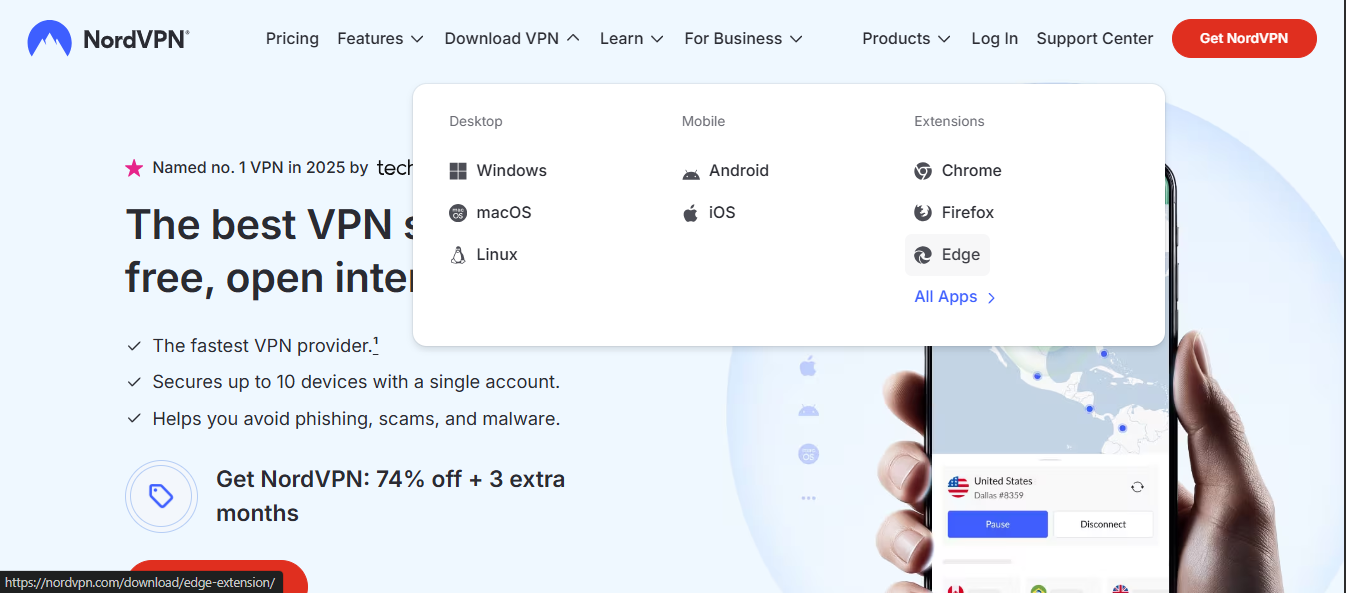
- Step 1: Install the Edge extension if available
- Open Edge, go to Edge Add-ons, search for Turbo VPN, and click Get.
- Add the extension to Edge and pin it for quick access.
- Step 2: Install the Turbo VPN app if required
- Visit the Turbo VPN website, download the Windows/macOS app, and install.
- Sign in with your account and complete any on-boarding prompts.
- Step 3: Configure VPN settings
- Choose a server location based on your needs privacy vs. streaming vs. speed.
- Enable features like a kill switch and DNS leak protection if available.
- Step 4: Connect and test
- Connect to a server, then open Edge and navigate to a test site ipleak.net or similar to check for IP and DNS leaks.
- Run a speed test to compare before and after connecting.
- Step 5: Optimize Edge for VPN use
- In Edge settings, disable unnecessary extensions that could interfere with VPN performance.
- Consider enabling Edge’s built-in tracking prevention to reduce fingerprinting, alongside VPN protection.
Tips for best results:
- Choose a server geographically closer to you for lower latency, unless you’re trying to reach a geo-blocked library.
- If streaming, pick servers advertised for streaming performance.
- If you encounter buffering, switch to a different server or protocol if the VPN offers options like WireGuard, OpenVPN, or IKEv2.
Edge-specific considerations and features
Microsoft Edge offers privacy controls and performance features that pair well with VPN use:
- Tracking prevention: Medium or Strict levels can complement VPN privacy by limiting third-party trackers.
- InPrivate browsing: Use with a VPN for an extra layer of privacy during sensitive sessions.
- DNS-over-HTTPS DoH: Some VPNs support DoH inside Edge; ensure it doesn’t conflict with your VPN’s DNS routing.
- Site permissions: Review site permissions to prevent fingerprinting and reduce data leakage.
Edge performance tips:
- Keep Edge up to date to ensure compatibility with VPN extensions.
- Disable auto-fill data on shared devices to minimize risk when you’re connected to a VPN.
- Regularly clear cache if you notice strange connection behavior after switching servers.
Privacy, security, and legal considerations
- Privacy ethics: A VPN hides your IP and encrypts traffic, but it doesn’t grant immunity from law enforcement or from illegal activity.
- Logging policies: Look for a transparent policy describing what the VPN logs and for how long.
- Jurisdiction: VPNs headquartered in privacy-friendly jurisdictions can reduce compelled data retention.
- Data leaks: Always test for DNS and IP leaks after connecting to a VPN.
- Device security: Keep your device updated, enable firewall protection, and don’t reuse passwords across services.
Performance and speed optimization
Speed is a big concern for many users. Here are practical tips: Tuxler vpn chrome 2026
- Test multiple servers: Speed varies by server; run quick tests to find the best one for your location.
- Protocol choice: Many VPNs offer WireGuard, OpenVPN, or IKEv2. WireGuard typically offers a good balance of speed and security.
- Local network health: Ensure your home network isn’t congested by other devices during testing.
- Edge caching: In some cases, disabling hardware acceleration in Edge can improve stability while connected to a VPN.
- Streaming settings: Some streaming services throttle VPNs; if you face issues, try a different server or enable obfuscation if available.
Streaming with a VPN on Edge
- Accessing geo-blocked content: By selecting servers in the country where the library resides, you can access regional catalogs.
- 4K and HD streaming: Ensure your VPN server can handle high-bitrate streams; enable the highest protocol available.
- Download and watch offline: Some services allow downloading content for offline viewing; note that VPNs can complicate this, so test with your specific service.
- Quality of service QoS: If your router supports QoS, prioritize streaming traffic to ensure smoother playback while VPN is active.
Security best practices with Turbo VPN and Edge
- Enable the kill switch: This prevents data leaks if the VPN disconnects.
- DNS leak protection: Ensure DNS requests are routed through the VPN tunnel.
- Auto-connect: Set the VPN to auto-connect on startup or when joining new networks.
- Reputable endpoints: Avoid free VPNs that might monetize your data; invest in a trusted provider.
- Password hygiene: Use a password manager and enable two-factor authentication where possible.
Common troubleshooting steps
- VPN won’t connect:
- Check your internet connection first.
- Try a different server or protocol.
- Ensure the extension/app is up to date.
- Edge not loading pages when VPN is on:
- Disable IPv6 if the VPN has issues with it.
- Clear Edge cache and cookies.
- Disable other extensions that could conflict.
- DNS leaks:
- Verify DNS settings in the VPN app and Edge.
- Use a DoH setting if offered by the VPN.
- Slow speeds:
- Switch servers nearer to your location.
- Temporarily disable other bandwidth-heavy apps.
- Check if your plan supports the advertised speeds.
Security checklist for daily use
- Regularly update Edge and the VPN app/extension.
- Use a strong, unique password for the VPN account.
- Enable two-factor authentication if available.
- Review device permissions and privacy settings every few weeks.
- Run occasional privacy tests to ensure your IP and DNS are masked.
Real-world scenarios and use cases
- Public Wi-Fi safety: When you’re at a cafe or airport, a VPN adds a layer of protection against snooping on shared networks.
- Bypassing regional restrictions for research: If you’re researching content from another country, a VPN can help you access relevant resources.
- Remote work and secure communications: A VPN ensures sensitive data stays private when you’re connected to work networks.
Data privacy and logging implications
- Understand what the VPN provider logs connection times, IPs, bandwidth usage and how they store data.
- Look for independent audits or third-party verification of privacy claims.
- Keep in mind that while a VPN hides your activity from your ISP, it can still be subject to the provider’s policies and the laws of their jurisdiction.
Table: Quick comparison of typical VPN features
- Feature: Edge extension availability
- Yes/No: Varies by provider
- Feature: Kill switch
- Yes: Common
- Feature: DNS leak protection
- Yes: Common
- Feature: WireGuard protocol
- Yes: Common
- Feature: Servers worldwide
- 500–10,000+: Depends on provider
- Feature: Free trial / money-back guarantee
- Yes: Many provide 7–30 days
Practical testing checklist
- Before you start: Note your baseline speed without VPN.
- After connecting: Run a quick speed test to measure impact.
- IP check: Confirm your public IP is the VPN’s IP, not your real one.
- DNS test: Ensure DNS requests are not leaking.
- Streaming test: Try a quick access to a streaming library and play a video.
- Leaks after disconnect: Disconnect and verify you return to your real IP.
Best practices for long-term use
- Rotate servers periodically to distribute load and improve reliability.
- Keep one primary server location for daily use and another for streaming.
- Regularly check for policy changes or pricing updates from the VPN provider.
- Periodically audit your Edge privacy settings in tandem with VPN settings.
Advanced tips for power users
- Split tunneling: If supported, route only essential apps through VPN while keeping others direct.
- Custom DNS: Some VPNs allow you to specify a preferred DNS for additional privacy.
- Obfuscated servers: Useful in restrictive networks to hide VPN traffic.
- VPN-on-router setup: For full-device protection, configure VPN on your router and connect Edge devices to it.
Safety caveats
- Not all services allow VPN use; some streaming platforms actively block known VPN IPs.
- Free VPNs may compromise privacy or inject ads; prefer paid, reputable providers.
- VPNs don’t protect against phishing or malware; keep other security practices in place.
Maintenance and monitoring
- Check for software updates weekly or as they’re released.
- Review privacy policy changes and server network updates quarterly.
- Monitor your connection for stable performance during high-demand hours evenings and weekends.
Frequently Asked Questions
What is Turbo VPN and how does it work with Microsoft Edge?
Turbo VPN is a service that creates a secure, encrypted connection between your device and a VPN server. When used with Edge, it can protect your browsing data, mask your IP, and help you access region-locked content.
Can I use a VPN extension directly in Edge?
Yes, many VPN providers offer Edge extensions that you can install from the Edge Add-ons store. If not available, you can use a system-wide VPN app and route Edge traffic through it.
Will a VPN slow down my internet?
It can, especially if you connect to distant servers or use an overburdened server. The goal is to find a balance between privacy and speed by selecting a nearby, fast server and a modern protocol like WireGuard.
How do I know if there’s a DNS leak?
Run a DNS leak test after connecting to the VPN. If your real DNS is shown, you have a leak. Enable DNS leak protection or switch servers.
Should I use kill switch or DNS leak protection?
Yes. The kill switch prevents data leaks if the VPN drops, and DNS leak protection ensures DNS requests stay within the VPN tunnel. Surfshark microsoft edge extension 2026
Can I use a free VPN with Edge?
Free VPNs exist, but they often come with limits and potential privacy concerns. If you choose one, review the privacy policy carefully and consider upgrading to a reputable paid service.
How do I test VPN speed for streaming on Edge?
Run a speed test, then try a streaming service to see buffer times and quality. If buffering occurs, switch servers or adjust protocol settings.
Is it legal to use a VPN with Edge?
In most places, using a VPN is legal. Some countries have restrictions or prohibitions. Always follow local laws and the terms of service of any platform you’re using.
Can I use Turbo VPN on multiple devices with Edge?
Most providers allow multiple device connections. Check your plan details for the exact limit and ensure you’re not exceeding it.
What should I do if Edge won’t load pages while VPN is on?
Try a different server, disable IPv6, clear cache, or disable conflicting extensions. If needed, restart Edge or the device. Proton vpn eero compatibility, setup, and best practices for using Proton VPN with Eero routers on home networks 2026
Turbo vpn microsoft edge is a browser-friendly VPN setup that lets you route Edge traffic through a VPN for privacy and access. In this guide, you’ll get a clear, actionable plan to use a VPN with Microsoft Edge, including how to choose a provider, set up the connection, optimize speed, and troubleshoot common issues. Think of this as your Step-by-step playbook: what to pick, how to configure, and what to watch out for. Below is a quick-start overview, followed by the deeper dive you’ll want for ongoing Edge security and performance.
- Quick-start checklist: pick a compatible VPN, install the extension or app, choose a server, enable the kill switch and DNS leak protection, test for speed and IP location.
- Why Edge users should pair a VPN with their browser: protect data on public Wi‑Fi, bypass geo restrictions, and reduce tracking.
- What to expect in terms of speed and streaming: modern VPNs using WireGuard or equivalent protocols can preserve most of your base speed, with occasional drops depending on server load and distance.
- A quick comparison of top VPNs for Edge: performance, features, privacy, and price.
- How to optimize Edge privacy settings alongside VPN features for the best result.
Ready to explore the best options? Check this deal for NordVPN, a popular choice for Edge users:
Useful resources and references unlinked, for quick access:
- NordVPN official site nordvpn.com
- Microsoft Edge support support.microsoft.com/en-us/microsoft-edge
- OpenVPN project openvpn.net
- WireGuard official wireguard.com
- Wi‑Fi Alliance wi-fi.org
- Privacy-focused guides en.wikipedia.org/wiki/Privacy
What Turbo vpn microsoft edge is and how it works
Turbo vpn microsoft edge is less about a special Edge feature and more about using a VPN service that plays nicely with Edge. When you run a VPN app or a browser extension on Edge, your browser traffic—plus any other traffic the VPN covers on your device—gets encrypted and routed through a remote server. This has some practical implications:
- Encryption of data in transit: protects your information from eavesdropping on public networks.
- IP address masking: makes your real location harder to determine.
- Bypassing geo-restrictions: access content that might be limited to specific regions.
- Protection from tracking: prevents some forms of online tracking that rely on IP visibility.
The best Edge-friendly VPNs offer lightweight extensions or native apps, fast servers, strong encryption AES-256, modern protocols WireGuard, OpenVPN, and extra features like a kill switch, DNS leak protection, and split tunneling. When you use Edge with a VPN, you’ll often see Edge traffic protected if you’re on the VPN app, but some configurations require enabling the VPN extension in Edge or routing only Edge traffic through the VPN. Planet vpn firefox 2026
Why this matters for Edge: Edge is a solid, fast browser with good privacy settings, but adding a VPN layer provides additional security on networks you don’t control like cafés or airports and helps you bypass location-based restrictions for streaming or research.
Edge-ready VPN features to look for
- Native Edge extension support or lightweight desktop app that routes Edge traffic cleanly.
- Fast protocols: WireGuard or modern OpenVPN variants for minimal speed loss.
- Kill switch: stops all traffic if the VPN drops, preventing accidental exposure.
- DNS leak protection: ensures DNS queries don’t reveal your location.
- Split tunneling: let Edge traffic go through VPN while other apps use direct internet when appropriate.
- No-logs policy: privacy-forward providers minimize data retention.
- Multi-device coverage: protects your Edge sessions across PC, Mac, and mobile devices.
- Strong encryption and security features: AES-256 encryption, secure tunneling.
- Competitive pricing and clear refund policies.
If you’re aiming for Edge compatibility, prioritize providers with robust Edge integrations or reliable browser extensions, plus a solid desktop app you can pair with Edge on your device.
Step-by-step guide: using a VPN with Microsoft Edge
- Choose a VPN with Edge-friendly options
- Look for a provider with a dedicated Edge extension or a straightforward desktop app that routes traffic from Edge.
- Ensure the service uses WireGuard or OpenVPN with AES-256 encryption and has a kill switch and DNS leak protection.
- Install the VPN
- For desktop: download the provider’s app, install, and create or sign in to your account.
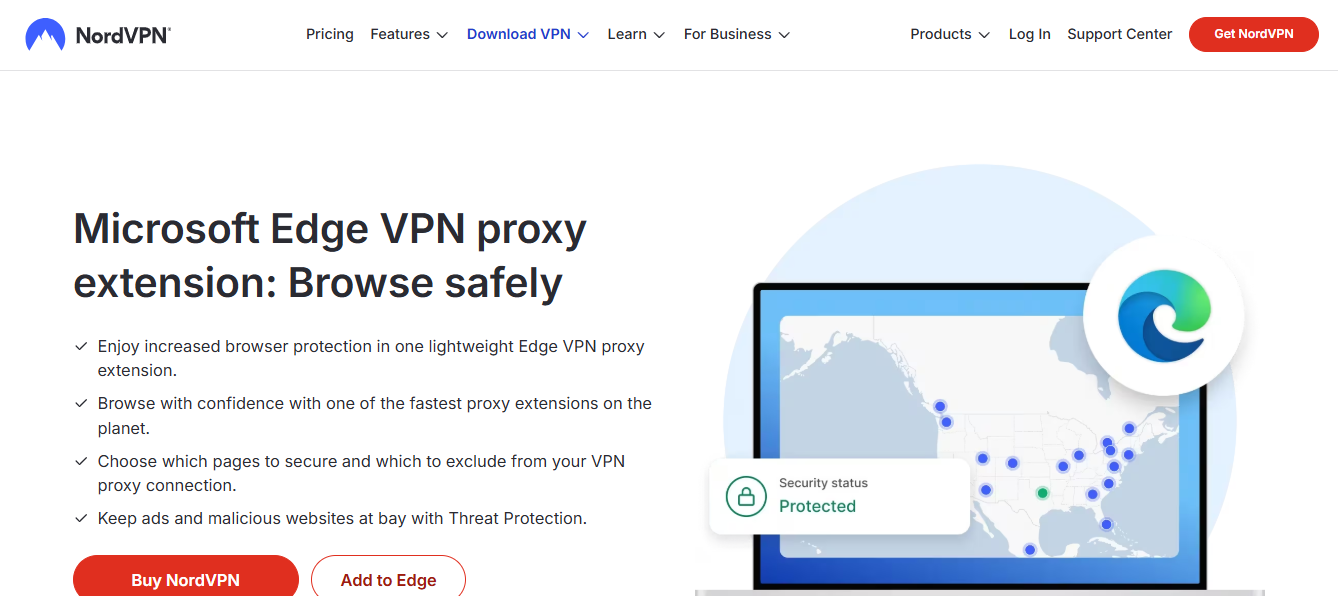
- For Edge extension: add the extension from the provider’s site or the Edge Add-ons store, then log in.
- Configure Core privacy protections
- Turn on the kill switch.
- Enable DNS leak protection.
- If available, enable split tunneling for Edge so you can route only Edge traffic or specific sites through the VPN.
- Pick a server and connect
- Start with a nearby server for speed. if you need access to a geo-blocked service, choose a server in that region.
- Test the connection using Edge by loading a site that would reveal your IP and location.
- Verify your IP and DNS
- Open a site like whatismyipaddress.com or dnsleaktest.com to confirm your IP corresponds to the VPN server and DNS requests aren’t leaking.
- If you see your real IP or unusual DNS results, double-check kill switch settings and DNS configurations.
- Optimize for speed and streaming
- Use WireGuard where possible for higher speeds and lower latency.
- If streaming is a priority, choose servers known for fast performance in the relevant region and enable any streaming-optimized servers.
- Disable any unnecessary features that might slow down connections, like always-on malware protection if it interferes with VPN traffic.
- Regular maintenance
- Keep the VPN app and Edge up to date.
- Periodically test for DNS leaks and IP leaks.
- Rotate servers if you notice degraded speeds.
Edge settings and privacy: tightening things up
- Edge privacy controls: Enable tracking prevention Balanced or Strict. Review site permissions and clear cookies regularly.
- Browser security: Use HTTPS-Only mode, disable insecure content loading, and consider blocking third-party cookies for more privacy.
- System-level protection: Keep your OS updated and use a reputable firewall. ensure your VPN is treated as a trusted app in your security software.
- Kill switch behavior: Decide whether you want the kill switch to cut all traffic or only Edge traffic when the VPN drops.
Performance and reliability: what to expect
- Speed impact: A well-optimized VPN typically reduces throughput by 5–25% on nearby servers. Distance and server load can push this higher.
- Latency: You may notice a small increase in latency, especially if you’re far from the VPN server or hopping through multiple networks.
- Streaming: Modern VPNs with WireGuard support commonly maintain smooth HD streaming. some streaming services actively block VPNs, so have backup servers ready.
- Stability: Reputable VPNs provide automatic reconnects and stable connections, but occasional server maintenance can cause short outages.
Data points to help set expectations
- Global VPN adoption: billions of devices use VPN-like protections across home and mobile networks.
- Encryption standards: AES-256 with strong transport protocols is the industry norm for secure VPNs.
- Edge usage: Microsoft Edge is a popular browser with strong performance, and many VPNs now support Edge extensions or apps that pair well with it.
Edge-specific tips for better results
- Use split tunneling to keep large downloads outside the VPN and route only Edge traffic through the VPN if you’re concerned about speed.
- If your Edge experience feels laggy, switch to a nearby server or a server labeled “fast,” “streaming,” or “optimized for speed.”
- For privacy-first users, enable DNS leak protection and ensure your browser isn’t leaking data through WebRTC. disable WebRTC in Edge if needed via settings or extensions.
- If you rely on certain streaming services, have a list of backup servers in the same region for quick switching.
Comparing top VPNs for Microsoft Edge
- NordVPN: Strong performance with WireGuard NordLynx, comprehensive kill switch, DNS leak protection, and a broad server network. Good Edge compatibility through both desktop apps and Edge extensions.
- ExpressVPN: Known for solid speed, reliable security features, and broad device coverage. Easy setup with Edge compatibility via extensions.
- Surfshark: Affordable, fast, and feature-rich, including split tunneling and CleanWeb. Good for Edge users who want value.
- ProtonVPN: Strong privacy stance, transparent policies, and robust security. Great for users who prioritize privacy over everything else.
For Edge-friendly experiences, NordVPN is a solid all-around choice, especially with a current 77% OFF + 3 Months Free deal as highlighted by the promo image above. If you want to explore other options, consider trying ExpressVPN for speed testing or Surfshark for budget-friendly multi-device use.
Privacy, legality, and responsible use
- Respect regional laws: VPN use is legal in many places but regulated in others. Always know local regulations about VPN use.
- Be mindful of service terms: Some streaming services attempt to block VPN traffic. having backup options helps you avoid interruptions.
- Don’t log sensitive activities: If privacy is your main goal, pick a no-logs provider and review their data handling practices.
- Personal data and IP visibility: Even with a VPN, ensure your device isn’t leaking information through apps or extensions you install.
Edge vs other browsers: does it matter?
- Edge can be a solid choice for VPN users due to its performance and security features. The main difference is how you implement VPN protection: Edge extensions vs system-wide VPN apps.
- A system-wide VPN provides blanket protection for all apps, while an Edge extension may offer more targeted control over Edge traffic. If you want full-device protection, prefer a VPN app with a robust Edge integration or a reliable split-tunneling setup.
Troubleshooting common Edge VPN issues
- IP address leaks: Revisit DNS leak protection and ensure the kill switch is enabled.
- Connection drops: Check server load, switch servers, or restart the app. Enable auto-reconnect if available.
- Slow speeds: Move to a closer server, switch protocol to WireGuard, or disable background processes consuming bandwidth.
- Edge extension not connecting: Update Edge, reinstall the extension, and ensure the VPN account is active. If needed, use the desktop app to route Edge traffic.
Mobile Edge and desktop Edge considerations
- Desktop Edge: Often paired with a desktop VPN app for system-wide protection or a dedicated Edge extension for browser-level control.
- Mobile Edge: Use the VPN app on iOS or Android. enable kill switch within the mobile app, and consider mobile-specific servers designed for streaming or gaming.
Edge security best practices
- Keep Edge and your VPN app updated to close security gaps.
- Use a robust password manager and enable two-factor authentication for your VPN account.
- Review browser permissions and disable any suspicious extensions that might track you.
Frequently Asked Questions
What is the best VPN for Microsoft Edge in 2025?
For Edge users who want strong performance and privacy, NordVPN is a reliable option with Edge-compatible extensions and a solid global server network. Others like ExpressVPN, Surfshark, and ProtonVPN also offer strong Edge-friendly experiences. The best choice depends on your priorities: speed, price, and streaming needs. Ubiquiti edgerouter x vpn setup guide for remote access, site-to-site ipsec, l2tp/ipsec, and openvpn configurations 2026
Can I use a VPN on Edge without installing anything?
Yes, if the provider offers a browser extension, you can route Edge traffic through the VPN directly in the browser. However, for full device protection, you’ll typically want the VPN app as well.
How do I know if my Edge traffic is protected by the VPN?
Run a DNS leak test and a site that shows your IP e.g., whatismyipaddress.com while connected to the VPN. Your IP should reflect the VPN server, not your real location.
Does Microsoft Edge offer built-in VPN support?
Edge itself doesn’t provide a built-in VPN. you’ll need a separate VPN service or extension to encrypt traffic and hide your IP while browsing.
Will a VPN slow down my Edge browsing?
Often yes, but modern protocols like WireGuard minimize speed loss. The impact depends on server distance, load, and the provider’s optimization.
Can I use Split Tunneling with Edge?
Yes, many VPNs offer split tunneling. You can route Edge traffic through the VPN while other apps use your normal connection, or vice versa. Usa vpn edge: the ultimate guide to choosing a USA VPN edge server for privacy, speed, streaming, and security 2026
Is it safe to use a free VPN with Edge?
Free VPNs often have limited data, slower speeds, and questionable privacy policies. It’s generally better to choose a reputable paid provider for privacy and performance.
How do I set up a VPN extension in Edge?
Install the provider’s Edge extension from the browser’s store or the provider’s site, log in, and enable it. Then configure features like the kill switch and DNS protection.
Can I use a VPN on Windows for all apps and on Edge specifically?
Yes. Install the VPN app on Windows to route all traffic through the VPN system-wide protection, which includes Edge traffic automatically.
How can I improve streaming with Edge and VPN?
Choose servers known to support your streaming service, use WireGuard, and consider servers labeled for streaming. If a service blocks VPNs, switch servers or contact support for options.
Are there legal considerations for using a VPN with Edge?
In most places, VPN usage is legal, but always follow local laws and service terms. Avoid using VPNs for illegal activities and respect regional restrictions. Veepn for edge 2026
How often should I test for DNS leaks?
Periodically, especially after updates or when you notice odd behavior. A quick test once a month or after a major change keeps you safe.
What’s the difference between Edge extensions and desktop VPN apps?
Edge extensions control only Edge traffic, while desktop apps can protect all traffic on your device. For comprehensive protection, pair both when possible.
Can I switch VPN servers without disconnecting Edge?
Most apps support seamless server switching. If you experience a drop, you may need to reestablish the connection.
Is NordVPN's offer with 77% off + 3 months free still valid?
Promotions change frequently. Check the official NordVPN page or the affiliate link for current offers and terms before purchase.
How do I know which server location to choose?
For speed, pick a server physically closer to you. For geo-restricted content, choose the location of the content you want to access. If you’re unsure, test a few nearby options and compare speeds. Vmware ipsec 2026
What should I do if Edge keeps showing DNS errors with VPN?
First, confirm DNS leak protection is on. If problems persist, switch to a different DNS server in the VPN app or contact support for a recommended DNS profile.
Can I use a VPN to bypass school or workplace restrictions in Edge?
VPNs can bypass some restrictions, but networks may have policies or firewalls to block VPN traffic. Always follow your institution’s rules and guidelines.
Do I need a VPN if I use HTTPS websites only?
Even with HTTPS, a VPN adds privacy by masking your IP and encrypting all data on insecure networks, especially on public Wi‑Fi.
What’s the best workflow for Edge privacy and security?
- Enable Edge tracking prevention and HTTPS-Only mode.
- Use a reputable VPN with a kill switch and DNS protection.
- Consider split tunneling for performance.
- Regularly update software and review privacy settings.
Final notes
If you’re specifically aiming to optimize Edge usage with a VPN, start by selecting a trusted provider with Edge-friendly options, install the app or extension, and follow the step-by-step setup to ensure your Edge traffic is protected. The NordVPN option mentioned above is a popular, well-supported choice with Edge compatibility and ongoing deals that can help you save while keeping your browsing private and fast.
Best vpn edge reddit guide to choosing the best vpn for Microsoft Edge, streaming, privacy, and setup Vmware edge gateway ipsec vpn 2026