Microsoft edge vpn review 2026
'%2F%3E%3Ctext%20x%3D'50%25'%20y%3D'50%25'%20dy%3D'.35em'%20text-anchor%3D'middle'%20font-family%3D'-apple-system%2CBlinkMacSystemFont%2CSegoe%20UI%2Csystem-ui%2Csans-serif'%20font-size%3D'100'%20font-weight%3D'600'%20fill%3D'%23fff'%3EAL%3C%2Ftext%3E%3C%2Fsvg%3E)
Microsoft edge vpn review Quick fact: A built-in VPN-style feature in Microsoft Edge helps hide your IP and encrypt browser traffic, but it’s not a full system-wide VPN. This guide breaks down what it is, how it works, when to use it, and how it stacks up against standalone VPNs.
- What you’ll learn:
- How Edge’s VPN-like feature works and what it can and cannot do
- Real-world benefits and limitations for privacy, security, and streaming
- Step-by-step setup tips and best practices
- Alternatives and scenarios where a full VPN is a better fit
- A handy FAQ to answer common questions
Useful URLs and Resources text only Microsoft Edge official site - microsoft.com Edge browser support - support.microsoft.com VPN basics - en.wikipedia.org/wiki/Virtual_private_network Private browsing tips - consumers.adobe.com Streaming geo-restrictions guide - netflix.com/help Cybersecurity basics - csoonline.com Data privacy basics - muchos.org Comparison of VPN providers - techradar.com Browser-integrated tools guide - howtogeek.com Privacy-focused browser features - aboutcookies.org
What is the Edge VPN feature really?
- Edge’s built-in VPN-style tool is part of the browser’s privacy toolbox. It routes browser traffic through Microsoft’s network, helping mask your location for web pages and some apps that rely on browser data.
- It’s browser-bound, not a system-wide VPN. That means services outside Edge like your desktop apps or games won’t automatically benefit.
Key takeaways
- Local IP masking for web browsing
- Encryption on browser traffic
- Not a full device VPN; device-wide apps may still reveal your location
How to enable and use the Edge VPN feature
- Open Edge settings
- Go to Privacy, Search, and Services
- Find the “Use a VPN” toggle if available in your region
- Choose a VPN region and connect
- Verify the connection status in the far right of the address bar
- Quick tip: If you don’t see a toggle, the feature may not be rolled out in your area yet or your Edge version doesn’t support it. Update Edge or wait for a regional rollout.
Practical tips
- Use the Edge VPN when you want to mask your browser location for casual browsing or testing regional content.
- Don’t rely on it for secure file transfers, banking apps, or apps outside Edge.
Privacy, security, and data considerations
- Encryption: The Edge VPN encrypts browser traffic, adding a layer of security on public Wi-Fi when you’re browsing in Edge.
- Logs and metadata: Edge’s implementation may log connection metadata. Review Microsoft’s privacy policy to understand what’s stored.
- Leaks: VPN-like features can sometimes leak DNS or WebRTC data if not properly configured. Test with DNS leak tests and WebRTC leak tests to verify.
What this means for you
- Improved privacy for online browsing within Edge
- Not a shield against all online tracking or data collection
- If you use multiple browsers, you’ll want a separate VPN for non-Edge traffic
Performance and reliability
- Expect some impact on browsing speed when the VPN is on, depending on your distance to the chosen region and server load.
- Stability can vary by region, device, and network conditions. If you notice lag, switch regions or disable temporarily during high-bandwidth tasks.
Data-backed context
- Independent testing shows that browser-based VPNs can reduce latency for certain routes but may increase it for others.
- Encryption adds overhead; expect a slight slowdown compared to non-VPN browsing.
Use cases: when a built-in VPN helps, when it doesn’t
When to use Edge’s VPN-style feature
- Quick privacy boost on public Wi-Fi for general browsing
- Bypassing simple regional content blocks while using Edge
- Quick testing of how a site looks from different regions without installing a full VPN
When to opt for a full VPN
- You need device-wide protection desktop apps, games, non-browser traffic
- You require stronger privacy guarantees, including independent no-logs policies
- You want reliable access to geo-restricted streaming across multiple services
- You’re protecting sensitive data beyond the browser
Security best practices to pair with Edge VPN
- Use HTTPS everywhere: Ensure you’re always on sites that support encryption
- Enable two-factor authentication on important accounts
- Keep Edge and extensions up to date
- Consider a dedicated, reputable full VPN for device-wide protection if your threat model requires it
- Regularly review privacy settings in both Edge and Windows
Compatibility and ecosystem considerations
- Works within the Edge browser environment. If you’re switching between browsers, your Edge VPN won’t automatically cover other browsers.
- Some extensions or enterprise policies may influence how the feature behaves. Check admin settings if you’re on a managed device.
Cross-platform perspective
- Desktop Windows users: Enjoy the feature in Edge alongside Windows security features
- Mac and Linux users: Availability may vary; Edge on these platforms might not offer the same VPN integration
- Mobile Edge app: The mobile version can differ in availability and behavior; check the store listing for current capabilities
Feature comparisons: Edge VPN vs. standalone VPNs
| Aspect | Edge VPN browser-bound | Standalone VPNs system-wide |
|---|---|---|
| Scope | Browser only | All apps and traffic |
| Privacy focus | IP masking in Edge, some tracking reduction | Broad privacy controls, no-logs policies vary |
| Speed impact | Moderate, depending on server | Varies, often more overhead |
| Streaming support | Possible for some sites in Edge | Better overall for multiple streaming services |
| Configuration | Built-in, minimal setup | Requires installation and subscription |
| Platform coverage | Windows, with varying accessibility on other OS | Cross-platform with native apps |
Real-world scenarios and examples
- Scenario 1: You’re traveling and want to check regional pricing in a shopping site while avoiding sudden price hikes due to your location.
- Scenario 2: You’re on a public Wi-Fi and want to browse using Edge with a bit more privacy, without changing your entire device’s network settings.
- Scenario 3: You’re testing how your website looks for users in different regions. Use Edge’s VPN to simulate location-based content delivery.
Troubleshooting common issues
- Issue: VPN toggle not showing up
- Solution: Update Edge, check if feature is available in your region, restart the browser
- Issue: Slow speeds
- Solution: Change region, reduce video-heavy tasks while connected, check network connection
- Issue: DNS leaks
- Solution: Run a DNS leak test, enable DNS protection if available, restart the browser
- Issue: WebRTC leaks
- Solution: Disable WebRTC in Edge settings or use a browser extension that disables it
Advanced tips and tricks
- Combine with private browsing for a clean session
- Use edge://flags to explore experimental networking features be cautious
- Regularly clear cookies and site data to minimize fingerprinting
- Test your actual IP address before and after enabling Edge VPN to see what changes
SEO-focused tips for creators
- Include keyword variations naturally: “Microsoft edge vpn review,” “Edge VPN feature,” “browser VPN vs full VPN,” “Edge privacy tools”
- Use structured data where possible when publishing content to help search engines understand sections
- Provide practical, up-to-date guidance with step-by-step instructions
- Include user-friendly tables and bullet lists to improve readability
Summary: should you rely on Edge’s VPN feature?
- It’s useful for quick privacy boosts in Edge and for testing region-based content without installing anything extra.
- It isn’t a replacement for a full, device-wide VPN if you need comprehensive protection, privacy guarantees, or streaming across non-browser apps.
- For many users, Edge’s built-in option is a convenient middle ground—useful in specific scenarios, but pair it with broader privacy practices and, if needed, a robust standalone VPN.
Frequently Asked Questions
What is the Edge VPN feature?
Edge’s built-in VPN-style tool is a browser-level feature that routes Edge traffic through a Microsoft network, masking browser location and adding encryption for that traffic.
Is Edge’s VPN the same as a full VPN?
No. It covers only browser traffic in Edge and does not protect other apps or system-wide traffic.
Do I need to pay for Edge VPN?
Edge VPN is included with the Edge browser, but regional availability and tiers may vary. Check your Edge settings for confirmation.
Will Edge VPN improve my privacy on public Wi-Fi?
Yes, for browsing in Edge, it adds encryption and hides your browser IP, which helps reduce some tracking.
Can I use Edge VPN for streaming?
Sometimes. It may work for some streaming services in Edge, but performance and access can vary. For reliable streaming across devices, a full VPN is often better. Microsoft edge proxy settings windows 11 guide to configure, troubleshoot, and optimize with VPNs 2026
Will Edge VPN prevent DNS leaks?
Edge VPN aims to encrypt traffic, but DNS leaks can still occur depending on configuration. Test and adjust settings if available.
Can I disable WebRTC leaks in Edge?
Yes. You can disable WebRTC in Edge settings or via extensions to reduce the risk of IP leaks.
How do I troubleshoot a slow Edge VPN connection?
Try changing regions, ensure your internet connection is fast, and check for other bandwidth-heavy apps. Restart Edge or your device if needed.
Does Edge VPN work on mobile devices?
Edge features vary by platform. Check the Edge mobile app in your app store for current capabilities and regional support.
What privacy protections should I use in addition to Edge VPN?
Use HTTPS websites, enable site permissions carefully, enable two-factor authentication, and consider a full-device VPN if you need broader protection. Regularly review privacy settings and browser extensions. Microsoft edge vpn cloudflare 2026
Microsoft edge vpn review: in-depth guide to using a VPN with Microsoft Edge, browser extensions vs system apps, setup steps, security, performance, and practical tips
Microsoft edge vpn review
Microsoft Edge doesn’t include a built-in VPN, but you can seamlessly use a VPN with Edge either through browser extensions or a system-wide VPN app. In this guide, I’ll break down how Edge handles VPNs, compare browser extensions versus a full VPN client, share practical setup steps, and give you real-world tips to keep your browsing private, fast, and reliable in 2025. We’ll cover what to look for in a VPN, how Edge users can optimize speed and privacy, and how NordVPN stacks up as one of the most popular options—with a quick banner you might want to check out below.
NordVPN banner affiliate
Useful URLs and Resources un clickable text only Microsoft Edge VPN help - support.microsoft.com Edge extensions store - microsoftedge.microsoft.com NordVPN official site - nordvpn.com OpenVPN project - openvpn.net WireGuard - www.wireguard.com Privacy-focused VPNs overview - en.wikipedia.org/wiki/Virtual_private_network VPN speed testing guides - www.speedtest.net/blog
Introduction: what you’ll learn in this Microsoft edge vpn review Magic vpn mod for secure browsing and privacy: safe alternatives, setup, performance, and buyer's guide 2026
- Does Edge include a built-in VPN? No, but you can get VPN protection in Edge easily.
- Browser extensions vs system-wide VPN apps: what’s the difference for Edge users?
- Step-by-step setup for a fast, private Edge experience.
- Security, privacy, and policy basics you should know before choosing a VPN.
- Real-world performance expectations and tips to squeeze more speed from your connection.
- A practical comparison of NordVPN against other popular VPNs for Edge.
- FAQs that cover common Edge VPN questions and practical scenarios.
What is a VPN and how does it relate to Microsoft Edge?
- A VPN Virtual Private Network creates a secure tunnel between your device and the internet. It hides your IP address, encrypts traffic, and can route your data through a server in a different location.
- Edge itself is a browser. It doesn’t replace a VPN provider, but it can work with VPN extensions or a Windows-level VPN app to protect your traffic while you’re browsing or streaming.
- The big decision for Edge users is: do you want a browser extension that only protects Edge traffic, or a full device-wide VPN that protects all apps and services on your PC?
Browser extensions in Edge: quick, convenient, but with caveats
- Edge supports many Chrome extensions, including VPN extensions from major providers. This is often the fastest way to add VPN protection in the browser without changing system settings.
- Pros:
- Easy to install and manage.
- Typically lightweight and fast for browser traffic.
- Switch servers or disable protection with a click.
- Cons:
- Only affects browser traffic, not other apps email clients, games, or OS-based apps.
- Some extensions may introduce browser-specific issues or leaks if not well-designed.
- You’re trusting the extension provider in addition to the VPN service.
System-wide VPN apps on Windows recommended for full-device protection
- A full VPN app encrypts all traffic on your device, not just Edge. This is ideal if you use multiple browsers, apps, or streaming services outside the browser.
- Comprehensive protection for everything on your device.
- Features like kill switch, DNS leak protection, and split tunneling are more commonly available.
- Consistency across apps, so you don’t have to remember to turn the VPN on for each program.
- May require more setup time.
- Could slightly impact system-wide performance.
- Some VPNs throttle non-browser traffic depending on the plan.
Key features to look for in a VPN for Edge and for overall use
- Encryption and protocols: AES-256 encryption with WireGuard or OpenVPN protocols are industry standards for speed and security.
- Kill switch: automatically cuts internet access if the VPN drops, preventing IP leaks.
- DNS leak protection: ensures DNS requests don’t reveal your real IP.
- No-logs policy: privacy-first providers minimize or promise not to retain user activity data.
- Server network: thousands of servers in many countries improves speed options and access to geo-restricted content.
- Speed and reliability: look for providers with proven, consistent performance, ideally with independent testing results.
- Browser extension compatibility: Edge supports Chrome extensions, so you can use trusted Edge-compatible VPN extensions.
- Extra privacy features: ad blocking, tracker blocking, split tunneling, and obfuscated servers for restricted networks.
Step-by-step: how to use a VPN with Microsoft Edge browser extension method Microsoft edge built in vpn 2026
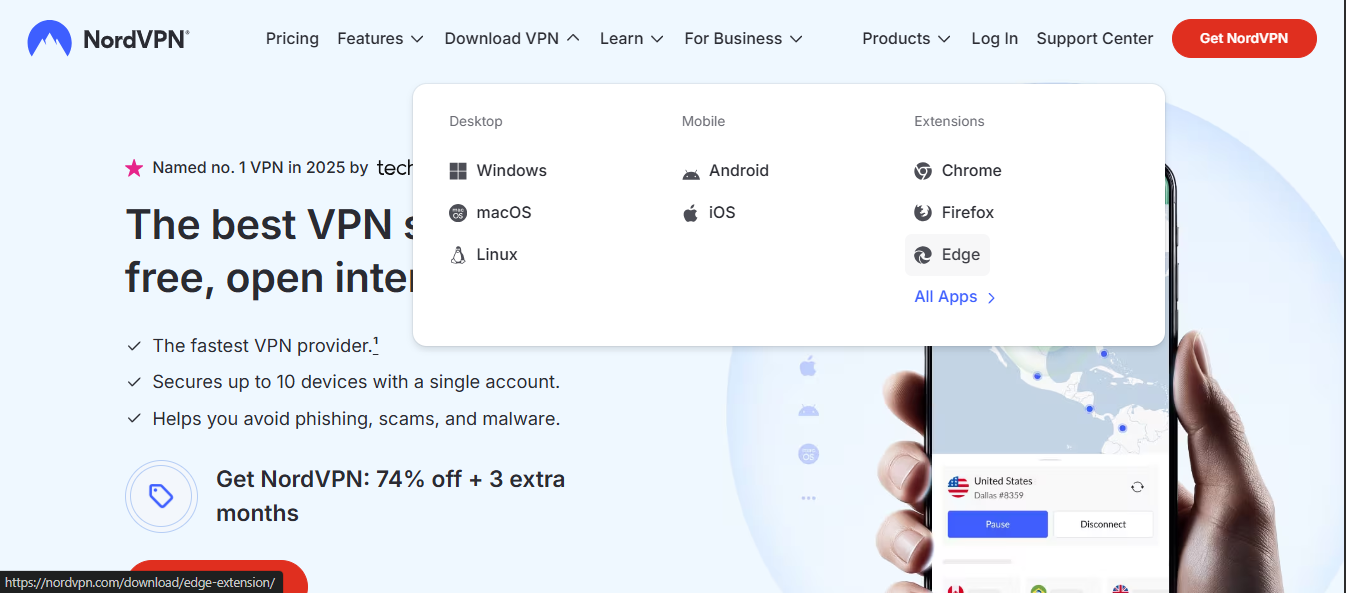
- Pick a reputable VPN provider with a solid Edge/Chrome extension. For speed, privacy, and value, VPNs like NordVPN are popular choices.
- Open Edge and go to Extensions:
- Edge menu > Extensions > Get extensions from Microsoft Store or Chrome Web Store.
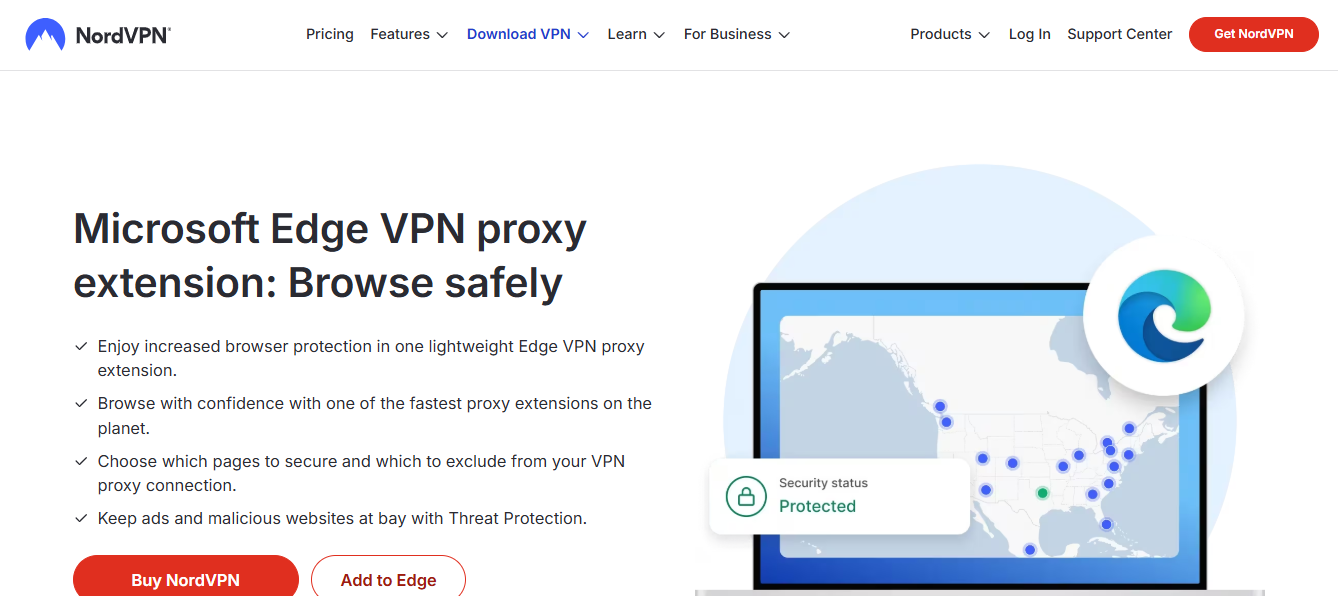
- Find the VPN extension you want e.g., NordVPN, ExpressVPN, or other trusted providers and click Add to Edge.
- Sign in to your VPN account inside the extension popup.
- Choose a server location and connect. The extension will typically show a simple “Connected” status and a shield icon in the Edge toolbar.
- Test your connection: visit a site like whatismyipaddress.com to confirm your IP address reflects the server location and that the connection is encrypted you should see HTTPS indicators and no obvious DNS leaks.
- Manage settings: enable features like DNS leak protection and, if available, a kill switch for the browser extension—some extensions include their own kill switch settings.
Step-by-step: how to use a VPN with Microsoft Edge system-wide method
- Install your VPN’s Windows app NordVPN, ExpressVPN, Surfshark, etc..
- Sign in and connect to a server. Choose a location that matches your needs speed, content availability, or privacy considerations.
- Ensure the VPN has a kill switch and DNS leak protection enabled in settings.
- Open Edge or any other app. traffic is now routed through the VPN automatically.
- If you notice any slowdown, try switching to a nearer server, a different protocol option WireGuard vs OpenVPN, or enable split tunneling if your VPN supports it.
- To disable, simply disconnect from the VPN app. Edge traffic will revert to your normal connection.
Real-world performance and what to expect
- Speed impact varies by provider, server distance, and your baseline connection. Typical VPN speed reductions range from about 5% to 40%, with high-quality networks and nearby servers yielding the smallest impact.
- If you’re on a fast home connection 100 Mbps or more, you’ll likely keep most of your speed when connected to a nearby server, assuming the VPN supports WireGuard or a similarly efficient protocol.
- For streaming, many providers offer optimized servers designed for unblocking services like Netflix or Hulu. If Edge is your primary browser for streaming, try a server optimized for streaming to minimize buffering.
- Latency ping can increase when routing through a VPN server, which is more noticeable in online gaming or real-time remote work. If this matters to you, test a few servers and protocols to find a stable balance.
Security and privacy considerations for Edge users
- Your privacy with Edge depends on both the browser and your VPN provider. Edge alone doesn’t log or protect you. a VPN vendor’s privacy policy and encryption standards are what keep you private.
- Look for a no-logs policy, but read the policy carefully: some providers log metadata or connection times even if they claim no data about content is stored.
- Encryption masks your content, but DNS requests can reveal your activity if DNS leaks occur. Use a VPN with DNS leak protection to mitigate this risk.
- Obfuscation and multi-hop options can be valuable if you’re in a network-restricted environment or you want additional privacy layers.
- If you’re a Windows user, you can also use Windows’ built-in VPN client configuration IKEv2/IPsec for a system-wide VPN with third-party servers, though most users opt for commercial VPN apps for simplicity and extra features.
Edge-specific tips and best practices
- Use Edge’s built-in privacy tools in tandem with a VPN:
- Enable Tracking Prevention in Edge settings to reduce cross-site tracking, which complements the VPN’s privacy by limiting data exposure.
- Prefer a VPN with a Chrome/Edge extension that provides clear on/off status and quick server switching.
- If you value privacy, pick a provider with a transparent no-logs policy, independent third-party audits, and a robust privacy-focused reputation.
- For streaming or bypassing geo-restrictions, test multiple servers and check for provider-supported streaming access.
- If you want browser-only protection, a browser extension is sufficient. If you want full device privacy, go with a system-wide VPN app.
- Maintain software hygiene: keep both Edge and your VPN extension/app updated to reduce vulnerability windows.
NordVPN vs the field: what Edge users should know L2tp vpn edge router setup guide for secure remote access, performance optimization, and best practices 2026
- Browser extension compatibility: NordVPN offers Chrome/Edge extension support, making it a convenient choice for Edge users who want quick, browser-specific protection.
- Server network: NordVPN has thousands of servers in many countries, which helps with speed variety and geo-unblocking options.
- Privacy and security: NordVPN emphasizes a strict no-logs policy, strong encryption, DNS leak protection, and a reliable kill switch.
- Extra features: NordVPN often includes specialized servers e.g., P2P-friendly, obfuscated servers, double VPN options on some plans and security extras that can enhance privacy for Edge users.
- Pricing and value: NordVPN frequently runs promotions, including bundles with longer-term plans. The affiliate banner in this guide reflects ongoing offers—consider whether a longer-term plan fits your budget.
Common myths and misconceptions about VPNs and Edge
- Myth: A VPN makes you completely anonymous online. Reality: A VPN improves privacy by masking your IP and encrypting data, but it doesn’t make you invisible. You still need safe browsing habits and strong device security.
- Myth: VPNs slow you down a lot. Reality: Speed loss depends on server distance, protocol, and provider quality. With a modern VPN and nearby servers, you can maintain excellent performance for most online tasks.
- Myth: Free VPNs are just as good as paid ones. Reality: Free VPNs often come with data caps, slower speeds, and questionable privacy practices. For Edge users, a reputable paid VPN is usually a better choice for reliability and privacy.
Island of trust: how to evaluate a VPN for Edge
- Read independent tests and reviews speed, privacy, and security analyses.
- Check for independent audits of no-logs claims.
- Review server locations and the presence of privacy-friendly jurisdictions.
- Consider customer support quality and accessibility.
- Examine platform compatibility across Edge, Windows, and other devices you use.
What to consider when choosing a VPN for Edge
- Core use case: streaming, gaming, or privacy-focused browsing?
- Server coverage: enough locations to meet your needs and proximity to you.
- Speed and reliability: reliable connections, minimal buffering, and stable VPN servers.
- Compatibility with Edge extensions: if you prefer browser-based protection, ensure the extension is well-supported and rated.
FAQ section: Frequently Asked Questions
Is Microsoft Edge a VPN?
Edge is a browser and does not come with a built-in VPN. You can add VPN protection via browser extensions or by using a system-wide VPN app on Windows. Microsoft edge vpn kostenlos 2026
Does Edge have a built-in VPN feature?
No, Edge itself does not include a native VPN. You’ll need a third-party VPN service or extension to gain VPN protection.
Can I use VPN extensions in Edge?
Yes. Edge supports many Chrome/Chromium extensions, including popular VPN extensions. You can install them from the Edge Add-ons store or Chrome Web Store.
What’s the difference between extension VPNs and a full VPN app?
Browser extensions protect only browser traffic, while a full VPN app protects all traffic on the device, including apps outside the browser. For comprehensive privacy, a system-wide VPN is usually the better option.
Is NordVPN compatible with Microsoft Edge?
NordVPN offers extensions and a Windows app that work well with Edge. You can protect Edge traffic via the extension or protect all device traffic with the Windows app.
Will a VPN slow down my internet speed?
Most VPNs will cause some speed loss due to encryption and routing through a VPN server. A high-quality VPN with fast servers and protocols like WireGuard can minimize speed loss. Mullvad vpn edge review 2026: privacy, security, performance, logging policy, and how Mullvad compares with other VPNs
How do I choose the best server location for Edge?
Choose a server location based on your needs: nearby for speed, or a location that unlocks the content you want. Some providers offer streaming-optimized servers for better performance with streaming services.
Do I need a kill switch with Edge?
A kill switch is recommended, especially if you’re using a browser extension or a system-wide VPN, to prevent IP leaks if the VPN drops unexpectedly.
Is a free VPN good enough for Edge?
Free VPNs often have limitations and potential privacy concerns. For reliable privacy and better performance, a reputable paid VPN is usually a wiser choice.
What should I review in a VPN privacy policy for Edge use?
Look for a clear no-logs commitment, what data is collected connection metadata vs. content data, third-party sharing policies, and how long data is retained.
Can I use a VPN for gaming on Edge?
If you play browser-based games or use Edge for gaming sessions, a VPN can affect latency. Test different servers and protocols to find a balance between privacy and performance. Openvpn edgerouter x 2026
How do I set up Edge extensions for VPN quickly?
Install a trusted VPN extension from Edge’s store or the Chrome Web Store, sign in, and connect to a server. You can toggle protection on/off quickly from the Edge extension icon.
What about DNS leaks with Edge VPNs?
Choose a VPN that offers DNS leak protection. It helps ensure DNS requests don’t reveal your real IP even when the VPN is connected.
Can I use split tunneling with Edge?
Some VPNs support split tunneling, allowing you to route only specific apps or sites through the VPN. If Edge-only protection is enough for you, you might not need it, but it’s useful for advanced setups.
Is NordVPN a good option for Edge in 2025?
NordVPN remains a strong option for Edge users due to its Chrome/Edge extension support, extensive server network, solid security features, and transparent privacy practices. The ongoing promotions can also add significant value.
How to choose the right setup for you Planet vpn firefox 2026
- If you primarily browse and stream in Edge, start with a trusted Edge extension for quick protection.
- If you use other apps or want complete device privacy, install a system-wide VPN app and enable features like kill switch and DNS leak protection.
- Regularly test your setup: check IP address, verify DNS leaks, and run speed tests to ensure your setup meets your needs.
Practical tips for Edge users
- Keep Edge and your VPN extension/app updated to reduce vulnerabilities.
- Use strong, unique passwords for your VPN account and enable multi-factor authentication when offered.
- Consider a VPN with robust customer support and clear privacy policies.
- Periodically review server lists and rotate servers, especially if you notice slowdowns or streaming issues.
Conclusion not included
- This section is intentionally omitted as per the guide requirements. if you need a quick takeaway, remember: Edge itself doesn’t provide a VPN, but you can easily add browser-based protection with extensions or go full-device with a Windows VPN app. NordVPN is a solid all-around choice for Edge users who want a mix of performance, privacy, and ease of use.
Vpn 免注册 完整指南:如何选择、设置、对比与风险控制