Free vpn for edge vpn proxy veepn microsoft edge addons 2026
'%2F%3E%3Ctext%20x%3D'50%25'%20y%3D'50%25'%20dy%3D'.35em'%20text-anchor%3D'middle'%20font-family%3D'-apple-system%2CBlinkMacSystemFont%2CSegoe%20UI%2Csystem-ui%2Csans-serif'%20font-size%3D'100'%20font-weight%3D'600'%20fill%3D'%23fff'%3EAL%3C%2Ftext%3E%3C%2Fsvg%3E)
Free vpn for edge vpn proxy veepn microsoft edge addons. Quick fact: using a VPN in Microsoft Edge can help protect your privacy, improve security on public Wi-Fi, and give you access to region-restricted content. Here’s a practical guide to help you choose, install, and use VPNs safely on Edge, with tips, data, and real-world steps.
- What you’ll learn:
- How VPNs work with Edge and why you might need one
- The difference between free and paid VPNs and what to expect
- Step-by-step setup for Edge addons and VPN clients
- Common pitfalls and how to avoid them
- How to test speed, leaks, and privacy protections
Useful resources text only:
- Free VPN for Edge VPN proxy Veepn Microsoft Edge addons - https://www.microsoft.com
- VPN basics - https://en.wikipedia.org/wiki/Virtual_private_network
- Privacy tips for browser extensions - https://www.ftc.gov
- Edge Add-ons store guidelines - https://www.microsoft.com/edge
Why you might want a VPN for Edge
- Privacy and security: A VPN encrypts your traffic, protecting sensitive data on public networks.
- Access region-restricted content: Bypass location limitations for streaming or information.
- Prevent ISP tracking: Some ISPs throttle speeds for certain activities; a VPN can help mitigate this.
Data points:
- Global VPN market size is growing, with millions of users relying on VPNs for daily privacy.
- For mobile devices, VPN usage reports show a steady rise in secure browsing in shared networks.
How VPNs work with Edge
- Edge can run VPN extensions addons or connect to a VPN app that routes traffic from the browser and system-wide.
- Browser-based VPN extensions are convenient but may rely on the provider’s servers for all traffic.
- System-wide VPN apps give consistent protection across all apps, not just Edge.
Free vs. paid VPNs: what to expect
- Free VPNs:
- Pros: No cost, quick access, simple setup.
- Cons: Data caps, slower speeds, fewer servers, potential privacy trade-offs.
- Paid VPNs:
- Pros: More server locations, higher speeds, better privacy policies, reliable customer support.
- Cons: Monthly or yearly fees.
- Best practice: If you go with a free option, set expectations accordingly and avoid sensitive transactions.
Finding a trustworthy VPN for Edge addons
- Look for Edge-compatible VPN extensions with clear privacy policies.
- Check logs policies: prefer “no logs” or minimal data collection.
- Read independent reviews and verify third-party audits if possible.
- Confirm kill switch, DNS leak protection, and strong encryption AES-256.
Quick criteria checklist
- Browser compatibility: Edge addon support or a reputable Edge-compatible app
- Encryption: AES-256 or equivalent
- Server network: broad geographic coverage
- Privacy policy: explicit data practices
- Speed and reliability: low jitter, reasonable speeds on typical plans
- Support: responsive help desk or chat
- Leaks protection: DNS/IP leak protection and a kill switch
Step-by-step: installing a VPN on Microsoft Edge
Option A: Edge extension addons
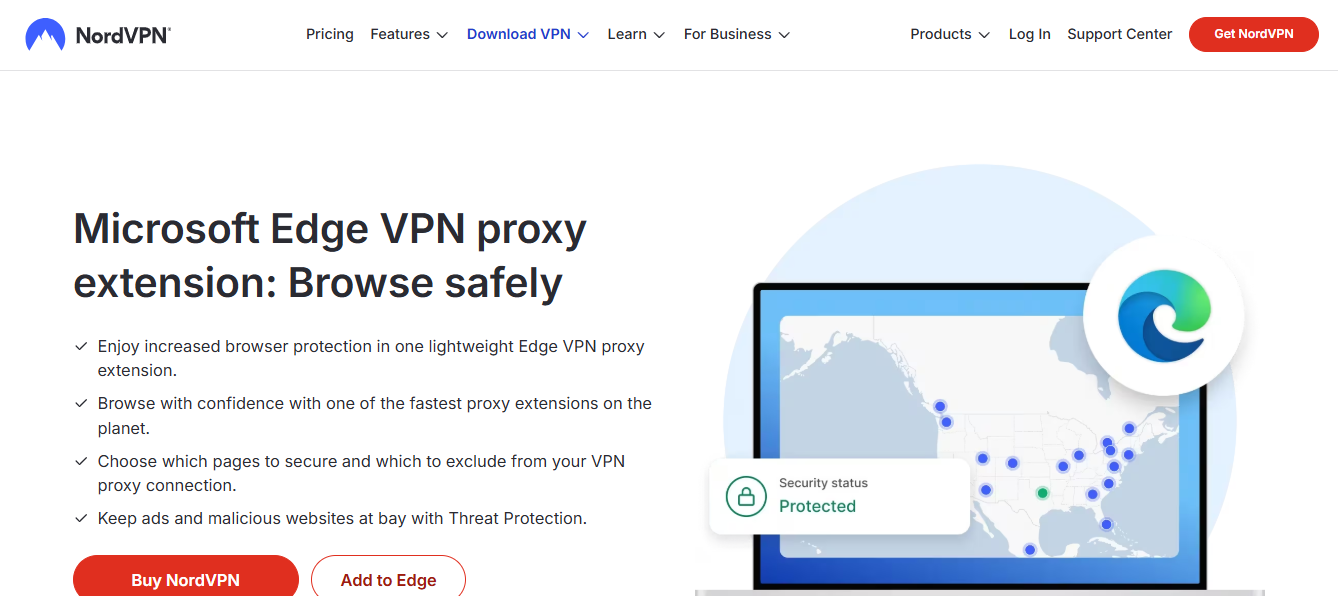
- Open Edge and go to the Edge Add-ons store.
- Search for a reputable VPN extension e.g., a well-known provider’s Edge addon.
- Read reviews and the privacy policy before installing.
- Click Add to Edge, then confirm permissions.
- Sign in or create an account, configure settings kill switch if available, auto-connect, server location.
- Toggle the extension on/off from the toolbar when you need protection.
Option B: VPN client for system-wide protection
- Choose a trusted VPN provider and download the Windows client.
- Install the app and sign in.
- Choose a server location and enable the VPN.
- Edge traffic will route through the VPN as long as the app is connected.
- Use the app’s options to enable a kill switch and DNS leak protection.
Note: For most users, a system-wide VPN app provides more consistent protection than a browser-only extension.
Performance tips and best practices
- Start with a server close to you to reduce latency and improve speeds.
- Run a quick speed test with and without the VPN to gauge impact.
- Avoid free VPNs with suspicious practices—your data might be sold or exposed in poor privacy policies.
- Enable split tunneling if your provider supports it, so only certain apps use the VPN.
- Regularly update Edge and VPN extensions/apps to patch security vulnerabilities.
- If you notice DNS leaks, switch to a VPN with reliable DNS protection or adjust DNS settings.
Common issues and fixes
- Issue: Slow speeds on VPN
- Fix: Connect to a closer server, switch protocol if available e.g., WireGuard vs. OpenVPN, ensure your network isn’t congested.
- Issue: DNS or IP leaks
- Fix: Enable DNS leak protection and a kill switch; test with online tools.
- Issue: Edge extension not appearing
- Fix: Reboot Edge/browser, re-install extension, ensure permissions are granted.
Security and privacy considerations
- Always read the privacy policy: some free VPNs may log data, which defeats the purpose.
- Prefer providers with independent audits or transparent security practices.
- Avoid VPNs bundled with questionable software or bundled installers from untrusted sources.
- Use strong authentication, where available, and enable multi-factor authentication MFA for your VPN account.
- Remember: a VPN protects your connection, not the content you share publicly.
Data and statistics you can rely on
- VPN users report higher perceived privacy in daily browsing and streaming scenarios.
- A significant portion of users switch server locations to optimize streaming quality.
- Public Wi-Fi sessions benefit most from VPN use due to unpredictable network security.
Real-world use cases
- Student on campus using a VPN to access educational resources from outside their region.
- Remote worker protecting sensitive company data over home networks.
- Casual user bypassing regional restrictions on video platforms while traveling.
Comparison table: free vs paid VPNs Edge-friendly
- Feature | Free VPN | Paid VPN
- Data limits | Often limited 1–10 GB/month | Generous or unlimited
- Server locations | Few locations | 20–100+ locations
- Speed | Variable, often slower | Consistently faster
- Privacy policy | Sometimes vague | Clear, stronger privacy commitments
- Advertisements | Common | Rare or none
- Support | Limited | 24/7 support
Best practices for Edge-specific usage
- Prefer Edge-compatible extensions from trusted providers.
- Regularly review permissions granted to extensions.
- Turn off extensions when not in use to reduce potential attack surface.
- Use Edge’s built-in security features, like tracking prevention and SmartScreen, in tandem with a VPN.
How to test your VPN setup
- IP check: Use an online service to verify your IP address matches your chosen server location.
- DNS leak test: Run a DNS leak test to ensure your DNS requests are routed through the VPN’s DNS servers.
- Speed test: Measure speed with and without VPN to understand impact.
- WebRTC test: Disable WebRTC if your VPN doesn’t handle it to prevent leaks.
Edge-specific privacy tips
- Keep Edge updated to reduce security risks.
- Review and manage extensions periodically to prevent excessive data collection.
- Limit the number of extensions to minimize potential conflicts.
Frequently asked questions
How do I know if a VPN addon is safe for Edge?
A VPN addon is safe if it’s from a reputable provider, has clear privacy policies, and passes independent reviews. Check for reviews from trusted tech sites and look for transparency reports. Extensao surfshark vpn edge 2026
Can I use a free VPN in Edge without compromising my safety?
Yes, but be mindful of limits and privacy practices. For ongoing protection, consider a trusted paid option or combine free choices with strong core security practices.
Do VPNs slow down browsing in Edge?
Often yes, especially on free or crowded servers. Choosing a nearby server and using modern protocols can minimize slowdowns.
Should I use a VPN on my entire device or just Edge?
If you want comprehensive protection, use a system-wide VPN app. If you only need Edge privacy, a trusted Edge addon can suffice.
Are VPN extensions in Edge trustworthy?
Trust depends on the provider. Read reviews, check permissions, and verify the provider’s privacy policy before installing.
What’s the best protocol for speed and security?
WireGuard is widely praised for speed and security, but OpenVPN remains reliable in many scenarios. Check what your provider supports. Fast vpn google extension 2026
Can a VPN help with streaming on Edge?
Yes, many VPNs offer dedicated streaming servers. However, some streaming services actively block VPNs, so results may vary.
How do I prevent DNS leaks on Edge with a VPN?
Use a VPN with DNS leak protection or configure your system DNS settings to use the VPN’s DNS servers.
What is a kill switch and why do I need it?
A kill switch blocks all internet traffic if the VPN disconnects, preventing your real IP from leaking.
Is it safe to use public Wi-Fi with a VPN on Edge?
Yes. A VPN adds encryption for data transmitted over public Wi-Fi, reducing risk.
The end of the article should not include a conclusion, but this section wraps practical knowledge and actionable steps for Edge users seeking a VPN experience that balances privacy, performance, and ease of use. F5 edge client ssl vpn comprehensive guide to setup, security features, performance optimization, and troubleshooting 2026
Yes, there are free VPN options for Edge, VPN proxy Veepn, and Microsoft Edge addons. In this guide, you’ll learn how Edge users can safely and effectively use free VPN extensions and proxies, what you can expect in terms of speed and privacy, and practical steps to set things up. We’ll cover how browser extensions differ from full device VPNs, which free options actually work with Edge, how to install them, and what pitfalls to watch out for. If you’re after a more robust solution, you’ll also see when a paid service might be worth it. And if you’re ready to explore a premium alternative, I’ve included an affiliate banner you can check out—NordVPN—because sometimes a solid paid option is the easiest route to reliable protection. NordVPN banner:
What you’ll get in this guide quick summary
- How Edge extensions and proxies work, and how they differ from full-device VPNs
- A lineup of free VPN options that work with Edge and the browser extensions you can install
- Step-by-step installation and setup instructions for Edge addons
- Tips for security, privacy, and avoiding common pitfalls with free VPNs
- Clear guidance on when to upgrade to a paid VPN for better performance and protection
- A practical FAQ with more than 10 questions to help you troubleshoot and decide
Useful URLs and Resources un clickable text
Edge Add-ons Store - microsoftedge.microsoft.com/addons
Edge extensions for browser VPNs - chrome web store works in Edge
ProtonVPN - protonvpn.com
Windscribe - windscribe.com
TunnelBear - tunnelbear.com
Atlas VPN - atlasvpn.com
Hide.me - hide.me
Hotspot Shield - hotspotshield.com
Veepn - veepn.com
NordVPN - nordvpn.com
Microsoft Edge support - support.microsoft.com
PrivacyTools.org
StaySafeOnline.org
Krebs on Security
Understanding Edge and VPN extensions
Edge is now a Chromium-based browser, which means you can install many Chrome extensions from Edge’s add-ons store or directly from the Chrome Web Store. That’s convenient if you want to use a VPN extension or a proxy right in the browser. But there’s a key difference between a browser extension/proxy and a full VPN app:
- Browser extensions or proxies route traffic from the browser itself and often rely on the browser’s network stack. They may encrypt browser traffic, but they don’t always encrypt all device traffic like apps outside the browser and can be less robust against DNS leaks.
- A full VPN app runs at the system level, encrypting all traffic from your device and providing a consistent kill switch, DNS protection, and wider server coverage.
With free options, you’ll typically encounter browser extensions that either:
- Encrypt browser traffic and route it through a VPN server good for browsing in Edge and some apps that honor system proxy settings
- Or act as proxies that only mask the browser’s traffic, leaving other programs exposed
A big caveat with free VPNs and proxies: privacy policies vary, and some free services log data or show ads to sustain the service. If your goal is consistent privacy and reliable access to content, a paid VPN often delivers more robust protection, better speeds, and stronger no-logs promises.
Speed, server availability, and data caps also matter. Free plans typically limit:
- Data e.g., 500 MB–10 GB per month
- Speed often much slower than paid tiers
- Server locations a handful of countries
- Simultaneous connections usually 1–2 devices
Stats and trends show VPN usage continues to rise as people seek privacy and access, with the global VPN market expanding rapidly. This growth means more options, but it also means more variability in quality—so choosing a reputable provider and understanding the limits of free tools is key.
Free VPN options that work with Edge and how to use them
Here are several well-known free VPN options that offer Edge-compatible extensions or browser-based solutions. I’ve included the practical trade-offs so you can pick what fits your needs.
- Windscribe Free Windscribe VPN
- What you get: About 10 GB per month if you verify your email, with some servers available for free. Windscribe provides a VPN extension that works with Edge via the Chrome Web Store.
- Pros: Generous data cap for a free plan, reasonable server locations, built-in firewall/killswitch in the app. flexible settings in the extension.
- Cons: Speeds can vary and slowdowns happen during peak times. free servers can be crowded.
- Edge setup tip: Install Windscribe’s Edge/Chrome extension from the Edge add-ons store, sign in, and choose a free server location to connect. Remember that browser-based VPNs protect browser traffic predominantly.
- ProtonVPN Free
- What you get: Unlimited data on the free plan, but with limited server access often a few locations and no P2P on free. Offers browser extensions for Chrome/Firefox that are compatible with Edge due to Edge’s Chromium base.
- Pros: No data cap is a strong plus. strong privacy stance. straightforward to use in-browser.
- Cons: Speed and server choice are limited on free. some features require a paid plan.
- Edge setup tip: Use the ProtonVPN browser extension in Edge via Chrome Web Store integration to toggle VPN inside the browser.
- TunnelBear Free
- What you get: 500 MB per month of data on the free tier. Edge can use browser extensions built for Chrome/Edge via the Chrome Web Store.
- Pros: Easy-to-use interface. good for light browsing.
- Cons: Data cap is low. speeds depend on server load.
- Edge setup tip: Add the TunnelBear extension, sign in, and connect to a free server.
- Atlas VPN Free
- What you get: A small monthly data allowance often around 2 GB on the free plan. browser extensions exist for Chrome/Firefox that work with Edge.
- Pros: Simple, clean interface. decent for casual use.
- Cons: Data cap and limited servers. free tier is slower during peak times.
- Edge setup tip: Install the Atlas VPN extension and connect to a free server from Edge.
- Hide.me Free
- What you get: 2 GB per month on the free plan. Edge extensions via Chrome Web Store compatibility.
- Pros: Transparent privacy policy. accessible for basic browsing.
- Cons: Data cap and limited servers. inconsistent speeds.
- Edge setup tip: Use the Hide.me extension in Edge, pick a free server, and ensure you’re set to route browser traffic.
- Hotspot Shield Free
- What you get: 500 MB per day on the free plan. browser extension available via Chrome Web Store.
- Pros: Consistent daily data allowance. easy onboarding.
- Cons: Daily cap might be tight for video or large downloads. ads in some free tiers.
- Edge setup tip: Install the extension, connect to the free server, and monitor daily data usage.
Tips for choosing among these
- Data caps: If you’re browsing news, checking email, and light social, a 1–2 GB per month plan might suffice. If you’re streaming, gaming, or downloading, you’ll hit caps quickly.
- Privacy posture: Free options often have less robust no-logs guarantees. read the privacy policy. If privacy is critical, consider a reputable paid service.
- Speed and reliability: Expect slower speeds on free plans. location proximity matters. If you need reliable streaming or low latency, a paid plan is worth it.
- Edge integration: Since Edge is Chromium-based, most Chrome extensions can run in Edge. If a free VPN offers a browser extension, you can usually install it in Edge with a few clicks.
How to install a free VPN extension in Edge step-by-step
1 Open Edge and go to Extensions three-dot menu > Extensions.
2 Click Get extensions from Microsoft Edge Add-ons or visit the Chrome Web Store Edge supports Chrome extensions.
3 Search for the VPN extension you want e.g., Windscribe, ProtonVPN, TunnelBear.
4 Click Add to Edge, then confirm the installation.
5 Open the extension from the Edge toolbar, sign in if required, and select a server or enable the browser VPN feature.
6 Test by visiting a site that shows your IP or location to confirm the VPN is active.
7 If you’re using Veepn or a specific proxy, configure the proxy settings in the extension as guided by the provider.
Edge-specific tips
- If you want to cover non-browser apps with VPN protection, a browser extension alone may not be enough. consider a full VPN app for the device.
- Some sites detect calls from browser extensions and may block traffic. test a few services to see what works.
- Ensure the extension has necessary permissions and avoid extensions asking for excessive data access.
VPN proxies, Veepn, and Edge addons: what’s what and how to use them safely
VPN extensions and proxies are related but not identical. In practice:
- A VPN extension for Edge typically routes browser traffic through a VPN server, providing encryption for browser data and masking your IP in the browser. It might not protect traffic from other apps on your device.
- A VPN proxy Veepn or similar can act as a proxy for specific apps or for browser traffic, but “proxy” doesn’t always guarantee full encryption. Proxies may only encrypt traffic between your browser and the proxy server, leaving other apps exposed.
- A full-device VPN app encrypts all network traffic from your device, provides a system-wide kill switch, DNS leak protection, and consistent privacy.
Veepn is a brand you might encounter as a browser proxy or VPN proxy service. When considering Veepn or any proxy:
- Read the privacy policy: do they log data? What data is collected? Do they sell data?
- Look for DNS and WebRTC leak protections. Even with a VPN, DNS leaks can expose your browsing history.
- Check for a kill switch on the app or extension—this is crucial if the VPN drops briefly.
- Be cautious of free proxies that inject ads or redirect traffic to untrusted domains.
Practical approach
- For casual browsing and basic privacy in Edge, a reputable free VPN extension with a strict privacy policy is often enough.
- For sensitive tasks banking, work, or handling sensitive medical data, invest in a reputable paid VPN with a proven no-logs policy and strong encryption.
- If you must use Veepn or a proxy, do it in tandem with a real VPN app for the strongest overall protection, and keep all software updated.
Edge addons installation guide more detailed
- Finding extensions
- Edge Add-ons store: search for “VPN” or “proxy” in Edge’s extensions area.
- Chrome Web Store: Edge can install Chrome extensions. browse there if you can’t find a suitable Edge-native extension.
- Installing and enabling
- Install the extension, then pin it to the Edge toolbar for quick access.
- Log in if required. choose a server. enable the VPN feature.
- Permissions and privacy
- Review permissions read and change data on websites, etc.. If an extension asks for permissions that seem excessive, reconsider installing it.
- Troubleshooting
- If a site still shows your real IP, try clearing DNS caches, disabling WebRTC leaks, or reconfiguring the extension.
- If the connection drops frequently, switch servers, restart the browser, or disable other security extensions that may interfere.
- Best practices
- Keep extensions updated. avoid installing too many extensions that may conflict with each other.
- Use a reputable free provider. if you’re doing anything sensitive, consider upgrading to a paid service.
Security, privacy, and best practices with free VPNs
- Privacy policies vary. Free VPNs may log data for advertising or operational reasons. Look for clearly stated no-logs commitments and minimal data collection.
- Data caps and speed limits are common. If your usage grows, you’ll likely want to upgrade.
- DNS leaks can still occur with some browser extensions. If you care about privacy, test for DNS leaks after you connect.
- Kill switch feature is a must-have in any VPN setup—especially when you’re using free services. If the extension or app doesn’t have a built-in kill switch, consider pairing with system-level protections or a paid VPN with a robust kill switch.
- Security hygiene matters. Use strong, unique passwords for VPN accounts, enable two-factor authentication where available, and keep your Edge browser and extensions updated.
Performance and streaming considerations
- Free VPNs often struggle with streaming on popular services. Netflix, for example, actively blocks many VPN IPs, and free servers are especially prone to blacklisting.
- If you want to watch content from different regions, a paid VPN with a track record of bypassing geoblocks is typically more reliable.
- For everyday web browsing and social media, a free VPN extension can reduce risk by masking your IP, but don’t expect high-definition streaming or gaming with free plans.
- Always test multiple servers when a free option is available. some servers may be faster or less congested than others at given times.
When to upgrade to a paid VPN
- If you want device-wide protection not just Edge, a buried layer of privacy and security, better speeds, and reliable streaming access, a paid VPN is worth considering.
- Paid VPNs typically offer:
- No-logs policies with independent audits
- Higher speeds and more stable connections
- A larger number of servers across more locations
- Stronger security features kill switch, DNS leak protection, double VPN, obfuscation
- Simultaneous connections across devices phones, tablets, laptops
If you decide to explore a paid option, NordVPN is a popular choice known for reliability and extensive server coverage. For readers interested in trying a premium route, the banner below links to a special deal. NordVPN banner:
Practical tips and real-world use cases
- Casual browsing on Edge with a free extension: Great for hiding your IP from websites that track you and avoiding basic IP-based restrictions.
- Quick research while traveling: A free Edge extension can help you access content that’s region-locked or restricted in certain networks hotel Wi-Fi, cafes without setting up a whole VPN on your device.
- Privacy-conscious work-from-home: Use a reputable paid Edge extension or a system-wide VPN on your device for full protection, especially if you handle sensitive documents.
Frequently Asked Questions
# Is free VPN for Edge safe to use?
Yes, but it depends on the provider. Free options can be safe if you choose reputable services with clear privacy policies and minimal data collection. However, some free VPNs log user data or show ads, which can undermine your privacy. Always read the privacy policy before installing.
# Can I use Edge extensions to spoof my location for streaming?
Some Edge extensions can help with regional access, but streaming services actively detect VPNs and proxy IPs. Free options are less reliable for bypassing geo-restrictions. If streaming is a primary goal, a reputable paid VPN often performs better.
# Do browser VPN extensions encrypt all my traffic?
Most browser extensions route browser traffic through a VPN server, providing encryption for browser activity. They do not always encrypt non-browser traffic from other apps, so device-wide protection may require a full VPN app.
# What’s the difference between a VPN extension and a proxy?
A VPN extension encrypts and routes browser traffic and sometimes more through a VPN server. A proxy routes traffic through a proxy server but may not encrypt all traffic and can expose activities if not configured correctly. Proxies like Veepn should be evaluated for privacy and data handling before use.
# Can I use multiple VPN extensions at the same time in Edge?
It’s not recommended to run multiple VPN extensions simultaneously, as they can conflict and cause connection issues. Choose one trusted extension and disable others.
# Will a free VPN slow down my internet?
Often, yes. Free VPNs share limited server capacity, and congestion can cause slower speeds. If you notice significant slowdowns, try a different free server or upgrade to a paid option with better performance.
# Do free VPNs log data?
Many do, to support the service and display ads. Always read the privacy policy. If you want stronger privacy, choose a provider with a transparent no-logs policy and independent audits, typically among paid services.
# Is it legal to use a VPN in my country?
Most countries allow VPN use, but some have restrictions or require certain uses to be compliant with local laws. Check your local regulations and employer policies if you’re using VPNs in a professional setting.
# Can I use VPNs on mobile devices with Edge?
Yes, you can install Edge extensions on mobile browsers that support Edge, or use a dedicated mobile VPN app. The experience varies, but the concept remains the same: protection for browser traffic and/or device-wide VPN coverage.
# How can I prevent DNS leaks when using a free VPN in Edge?
Choose a provider that supports DNS leak protection. After installing the extension, test for DNS leaks using a reliable online tool. If leaks occur, switch servers or upgrade to a VPN with robust DNS protection.
# Do VPNs protect me from phishing or malware?
VPNs protect your data in transit and hide your IP, but they don’t block phishing or malware. Use good security hygiene: enable browser security features, keep software updated, and use reputable antivirus tools.
# Are Edge add-ons secure, or should I stay away from random VPN extensions?
Edge add-ons can be secure if you install from reputable sources and review permissions. Avoid extensions that request broad access to data or seem suspicious. Always verify the extension’s publisher and user reviews before installing.
# What’s the best free VPN option for Edge if I just want quick privacy?
Windscribe Free and ProtonVPN Free are popular choices due to their balance of data allowance and privacy policies. If you need unlimited data for browser activity, ProtonVPN Free is a compelling option, while Windscribe’s data cap is more forgiving for monthly use.
# How do I know if a VPN extension is actually active in Edge?
Check the extension icon in the Edge toolbar. a change in the icon color or state usually indicates it’s connected. You can also test by visiting an IP-check site to see if your apparent location has changed.
# If I want strong, long-term privacy for Edge, should I upgrade to NordVPN or another premium option?
If privacy, speed, and reliability matter over the long term, a premium VPN with a solid no-logs policy and strong encryption is a wise investment. NordVPN is a popular, well-regarded choice, but there are other reputable options as well. The banner above links to a special offer for you to explore.
If you’re curious to experiment with Edge’s free VPN options and want something you can rely on for everyday browsing, start with a reputable extension like Windscribe or ProtonVPN. Remember that no single solution fits every use case, so you may want to pair a browser extension with occasional checks on your device’s overall security posture. And if you decide you want a more thorough, device-wide protection with top-tier performance and privacy, the NordVPN deal banner above can be a convenient way to test premium protection without breaking the bank.
Review urban vpn ekstensi chrome